

Steam Direct is not simply a fee you pay to publish a game on Steam. It is a strategic entry process that determines how a game enters the platform, how visible it becomes at launch, and how it competes from day one. Developers who treat this step as a business decision set their projects up for momentum, while those who approach it as a formality often struggle to gain traction after release.
This guide breaks down the process, its requirements, and the real return on the $100 fee, so you can approach your launch with clarity instead of assumptions.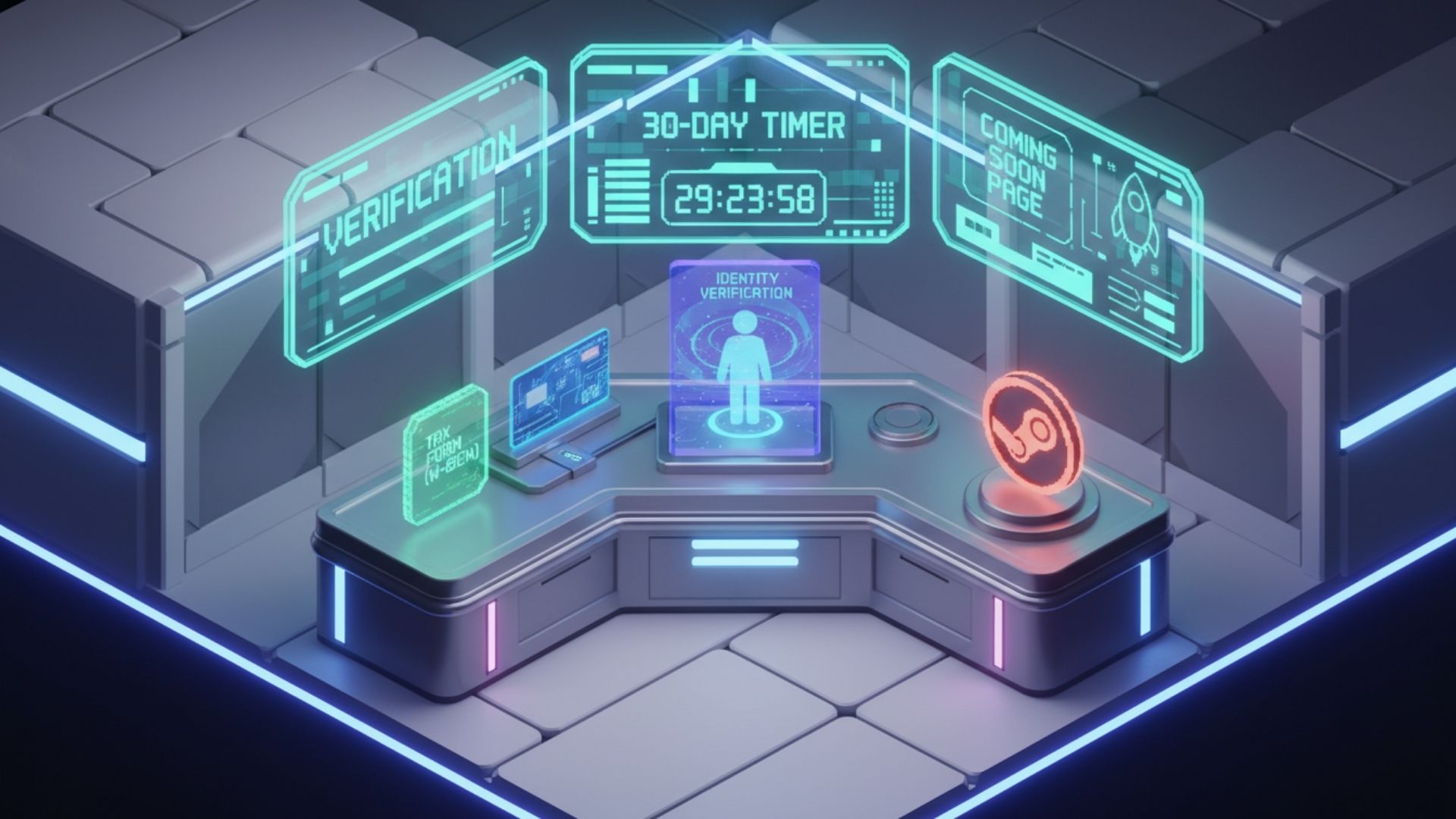
1. What Is Steam Direct? (More Than a $100 Fee)
At a structural level, Steam Direct serves as Valve’s required onboarding system for developers who want to publish games on the platform. It includes a $100 per-title fee used for verification purposes, which functions as a recoupable deposit rather than a permanent cost and is returned once the game reaches Valve’s revenue threshold.

2. Steam Direct Requirements: What You Need Before Paying
Before paying the Steam Direct fee, developers must complete Valve’s verification requirements to ensure legal and financial eligibility. These checks are mandatory and directly impact both approval timelines and your ability to receive payouts after launch.
- Digital Paperwork: Developers must submit valid tax documentation (such as the W-8BEN for non-US entities), verified banking details for revenue payouts, and identity information for the individual or studio. Incomplete or incorrect information at this stage can delay approval and prevent revenue distribution later.
- The 30-Day Buffer: Steam enforces a mandatory waiting period between paying the fee and releasing your game.
- The “Coming Soon” Requirement: Your store page must be publicly visible for at least two weeks before launch.
Why the 30-Day Rule Matters
This period is not merely administrative. It allows Valve to complete verification while giving developers a final window to refine store assets, validate positioning, and ensure the page is optimized for conversion before launch.

3. The ROI Math: Will You Recoup Your $100?
Steam Direct follows a simple rule: the $100 fee is returned once your game reaches $1,000 in adjusted gross revenue. If a title fails to reach this threshold, the issue is rarely the fee itself. It is usually a positioning problem related to genre selection, tagging, or store page presentation, all of which can be validated in advance using Datahumble.
4. Getting Your Store Page Approved: The Quality Check
Paying the Steam Direct fee does not grant immediate publishing access. Before your game can go live, both the store page and the build must pass Valve’s review process, which focuses on accuracy, stability, and transparency rather than marketing polish.
- Visual Accuracy: Store assets, especially capsule images and screenshots, must clearly represent the actual gameplay experience. Misleading visuals or placeholder quality assets are common reasons for review rejection.
- Technical Stability: The submitted build must launch and function as described on the store page. Games that crash on startup, fail basic input checks, or diverge from their listed features are flagged and sent back for revision.
- AI Content Disclosure: Any use of AI-generated content must be explicitly disclosed. Valve expects transparency around how AI is used in assets or development, and unclear disclosure can delay approval.
5. Timing Your Release: When to Push the Green Button
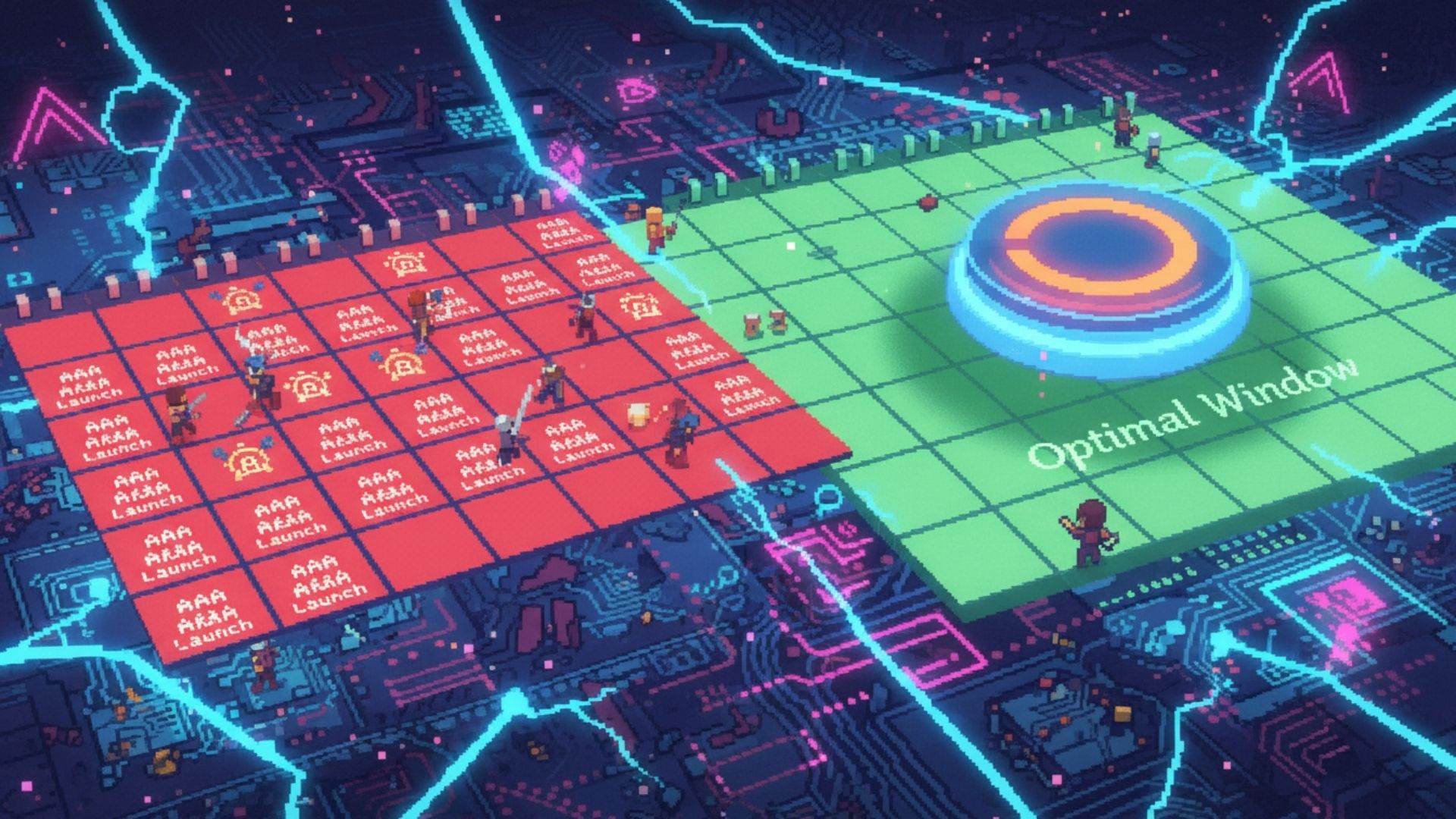
Release timing can determine whether a game gains visibility or disappears on launch day. Choosing the right window, away from major sales events and high profile releases, can protect a title from being buried in Steam’s New Releases feed, even when other launch conditions are less than perfect.
Using the Datahumble Calendar, developers can see which major titles are scheduled within their target window and adjust accordingly. Aligning your release with Steam Next Fest participation and established wishlist momentum provides a clearer path to initial traction before committing to a final launch date.
Frequently Asked Questions (FAQ)
- Can I pay the Steam Direct fee before my game is finished?
Yes. Steam Direct does not require a completed build at the time of payment, but your store page and final build must meet all review requirements before release.
- Is the $100 fee shared across multiple games?
No. Each base game requires its own Steam Direct fee, even if the titles are published under the same developer or studio account.
- Can a rejected store page permanently block my release?
No. Rejections are not permanent. Developers can resubmit updated assets or builds after addressing review feedback, though repeated issues may delay the planned launch window.
- Does Steam Direct approval guarantee visibility at launch?
No. Approval only allows a game to be released. Visibility depends on factors such as timing, genre demand, wishlist momentum, and competitive positioning.
Master Your Steam Launch with Datahumble
Launching on Steam is not just about paying an entry fee, it’s about making the right decisions before you commit. Datahumble helps developers evaluate genre demand, competitive pressure, and positioning early, so launches are based on data rather than assumptions.
Make informed decisions, reduce launch risk, and turn your submission into a calculated move, not a gamble.