

Price cuts are among the most visible levers available to studios. A banner appears, traffic rises, charts respond. In discussions around performance, discount steam games are often framed as tactical accelerators. Lower the price, increase demand. The logic feels straightforward.
The reality is more nuanced.
Discounts rarely operate in isolation. They influence how a game is discovered, who chooses to enter, and what players expect from future pricing. Their impact extends beyond revenue within a sale window. Over time, they shape perception, purchasing rhythm, and long-term positioning.
This guide looks at discounting not as a promotional tactic alone, but as a behavioral signal that quietly redefines how players relate to a game.

Steam Discounts as Visibility Events, Not Long-Term Growth Drivers
At their core, discounts function as exposure events. They surface a title in storefront placements, wishlist notifications, and promotional feeds. In that sense, a discount resembles a temporary visibility boost more than a structural growth mechanism. Traffic often increases quickly. Conversion improves. Rankings shift.
What matters more is what happens once the promotional layer fades.
If participation stabilizes at a higher level, the discount likely aligned with existing demand. If activity falls back to its prior baseline, the event may have amplified attention without expanding interest. For many discount steam games, the difference between short-lived visibility and lasting growth lies in what players do after the price returns to normal.
Visibility opens the door. Sustained engagement determines whether the door stays open.

Short Term Sales vs Long Term Engagement After Discounts
Revenue spikes are immediate and measurable. Engagement shifts are slower and more revealing. A strong sale window can generate impressive transaction volume. However, if newly acquired players engage briefly and disappear, the uplift remains transactional rather than structural. Long-term impact depends on whether discounted cohorts integrate into the ongoing player base.
Post-sale behavior often tells the more important story. Do new players mirror the session patterns of existing users? Does retention resemble pre-discount benchmarks? Are players progressing meaningfully beyond onboarding stages?
Short term revenue confirms responsiveness. Long term engagement reveals alignment. We explore how engagement depth and post-acquisition
behavior signal structural strength in our guide on Steam Game Stats Deep Dive: Metrics Every Studio Should Track

Why Some Discount Steam Games Never Recover
Some titles struggle to regain perceived value after repeated or aggressive discounting. Frequent price cuts can gradually reset expectations. Players begin to associate the game with its lowest historical price rather than its launch positioning. Full price periods feel temporary. Waiting becomes logical.
For certain discount steam games, this expectation shift narrows future pricing flexibility. Engagement between sales may soften. Revenue becomes increasingly tied to promotional cycles. Recovery becomes difficult not because the game lacks depth, but because the pricing narrative has changed.
Rarely is this the result of a single discount. It is usually the outcome of repeated patterns that players internalize over time.
Price Sensitivity and Genre Specific Discount Patterns
Not all audiences respond to discounts in the same way. Narrative-driven single player experiences often show strong responsiveness during seasonal sales. Competitive multiplayer titles may depend more on community momentum than price adjustments. Strategy, simulation, and niche genres frequently exhibit slower, steadier responses that unfold across longer windows.
Interpreting discount performance without genre context can distort expectations. What appears underwhelming in one category may be entirely typical in another. Sensitivity varies, and so should interpretation.
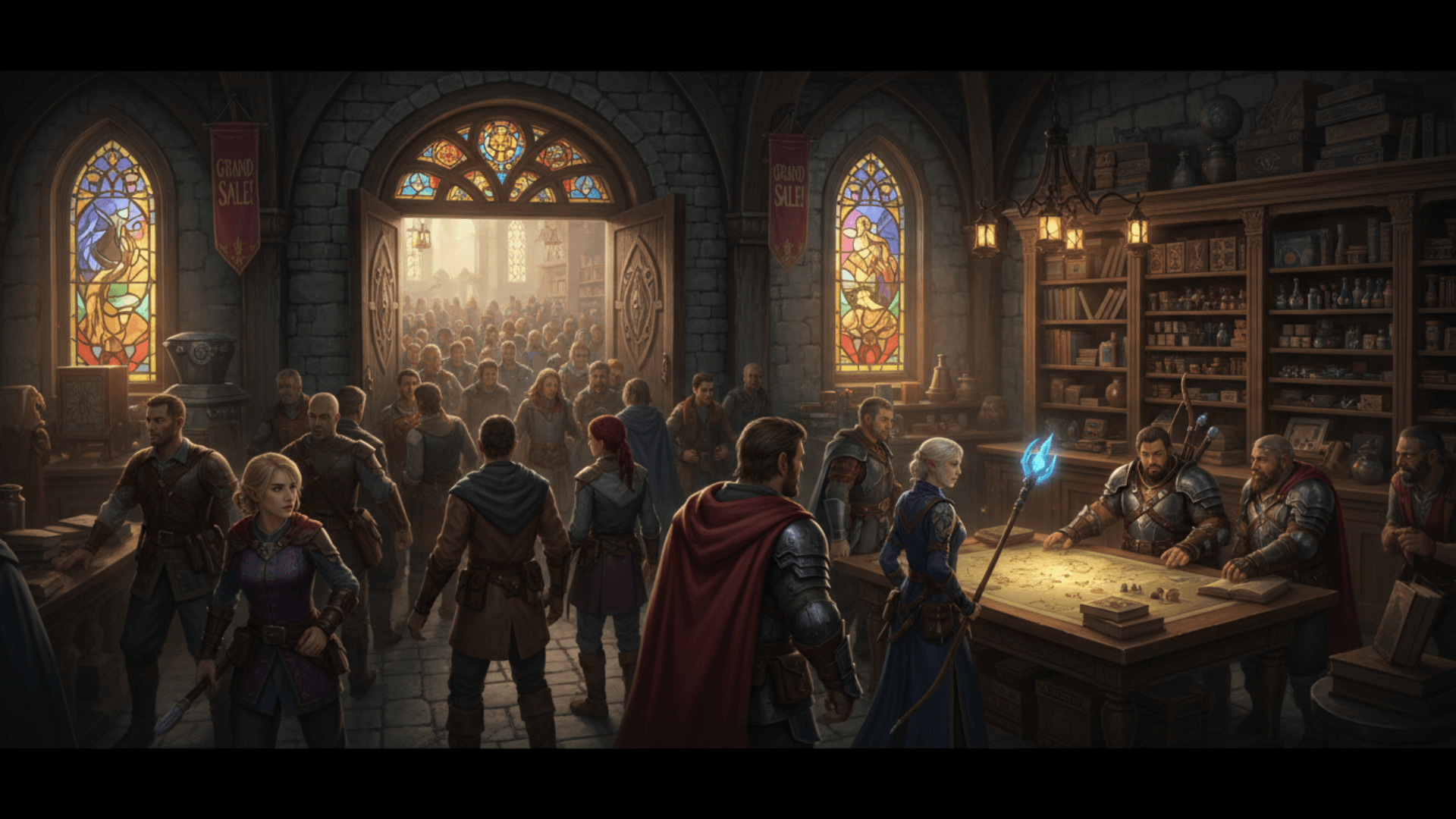
When Discounts Attract the Wrong Audience
Lower prices expand reach. That expansion does not always improve alignment.
Deeply discounted games can attract players motivated primarily by price rather than genuine interest. These players are more likely to sample briefly and disengage. Transaction volume increases, but engagement quality may dilute.
This dynamic can influence refund rates, review tone, and community cohesion. When expectation and gameplay depth diverge, friction surfaces quickly. Discounts increase accessibility, but they also widen variance in player intent. More players do not automatically mean more durable players.
Discount Timing and Player Expectation Shifts
Timing shapes interpretation. An early price cut shortly after launch communicates something different from a seasonal reduction months later. Early discounts can signal recalibration or urgency. Later discounts often feel cyclical and anticipated.
Players learn cadence. If sales appear predictable, purchasing behavior adjusts accordingly. Wishlists may grow, but conversion shifts toward expected windows. Pricing cadence and wishlist behavior are explored further in Steam Price Tracker Strategies: Win the Wishlist War With Smart Discounts.
Over time, the rhythm of discount steam games becomes embedded in how players plan their decisions. Pricing strategy is not only about depth. It is also about sequence.

Repeated Discounts and Perceived Game Value
Repetition carries weight.
Frequent sales, even if moderate in size, gradually redefine perceived worth. If intervals between discounts shorten, waiting becomes rational. If discount depth increases progressively, price anchoring shifts downward.
This does not mean recurring discounts are inherently harmful. For some titles, cyclical pricing supports long tail participation. The key question is whether repetition reinforces a deliberate lifecycle strategy or unintentionally erodes positioning. Perceived value evolves slowly. It is shaped by patterns more than isolated events.
FAQ: Do Discounts Help or Hurt Player Retention?
- Do discounts automatically improve retention
Not necessarily. Retention depends on how well player expectations align with gameplay depth, not on price alone.
- Are deeper discounts always more effective
Deeper cuts often increase short term volume, but they can also recalibrate long term expectations.
- Can frequent sales damage perceived value
They can influence how players anchor price, especially if the cadence becomes highly predictable.
- Should discounts be avoided to protect long term stability
Avoidance is rarely the solution. Intentional timing and consistent positioning tend to matter more than frequency alone.
Reading the True Cost of Discounts With Datahumble
Revenue during a sale window is visible. Behavioral shifts are subtler. Datahumble examines discount cycles alongside engagement depth, cohort retention, and comparable titles, helping teams understand how pricing patterns influence participation over time. Rather than evaluating each promotion in isolation, studios can assess how cadence, depth, and timing shape player expectations and long term positioning.
To explore how structured analysis clarifies the behavioral impact of discount strategies, discover how Datahumble’s Steam analytics platform helps teams interpret pricing decisions beyond short term sales results.