

Revenue is measurable. Attention is contextual. On the steam marketplace, games rarely compete through price or quality alone. They compete for placement, timing, relevance, and sustained visibility within an environment where attention continuously shifts. Sales figures often capture the outcome of that competition, but they do not fully explain how position was gained or lost.
Marketplace dynamics are shaped by exposure cycles, release clustering, update timing, regional behavior, and external triggers such as creator coverage or seasonal events. None of these elements operate in isolation. Looking at how these forces overlap often explains why some titles build momentum while others fade after brief surges.
This guide examines how attention behaves within the steam marketplace and how teams can interpret movement with nuance rather than urgency.

Read Visibility Surges vs True Demand
Visibility can increase rapidly. Featured placement, algorithmic surfacing, or event participation may elevate a title within a short window. Traffic rises and impressions expand, yet higher exposure does not automatically translate into durable demand. What matters is what happens after the surge subsides. If engagement stabilizes at a higher level than before, the visibility likely aligned with underlying interest. For a deeper look at how concurrent player trends reveal real demand beyond surface level spikes, see our guide on Steam concurrent players as the real indicator of game health. If activity quickly returns to prior levels, the movement may have reflected exploration rather than conversion.
Within the broader Steam ecosystem, distinguishing between amplified exposure and sustained interest helps teams avoid overstating temporary peaks or misreading healthy normalization as decline.
Launch Timing & Marketplace Crowding
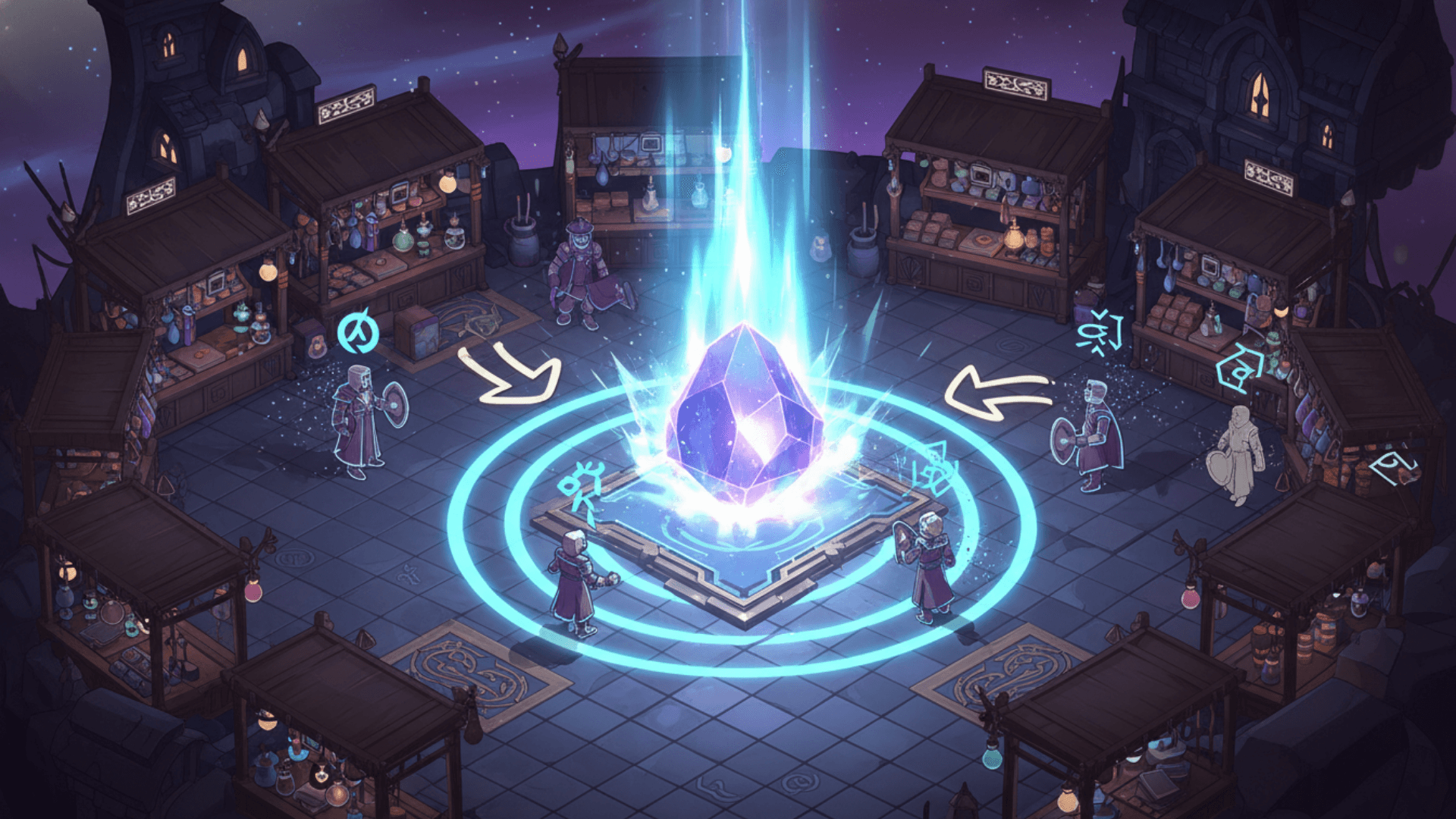
Launch performance is often evaluated in isolation, but timing plays a substantial role in how easily attention accumulates. Releases clustered within the same genre window naturally compete for discovery. Even well positioned games can struggle to sustain visibility when multiple narratives unfold simultaneously.
Crowding does not determine outcome, yet it influences comparative perception. A launch during a quieter period may allow more space for curiosity to develop. In a dense release cycle, the same level of quality may require greater reinforcement to achieve similar attention.
Reading launch results through the lens of platform conditions reveals factors that standalone metrics fail to capture.
Update Windows & Attention Competition
Updates frequently act as renewed visibility events. Major patches or content expansions reintroduce a title into active evaluation, both for returning players and new observers. However, attention behaves as if it were finite within competitive release windows. When multiple titles update within a similar timeframe, competition intensifies.
The effectiveness of an update often depends less on its size and more on its alignment with broader attention cycles. If an update coincides with heightened genre interest or external exposure, it may reinforce engagement. If it competes directly with larger narratives, its impact may diffuse more quickly.
In competitive storefront environments, attention reallocates. It rarely expands uniformly.
Price Cuts vs Engagement Response
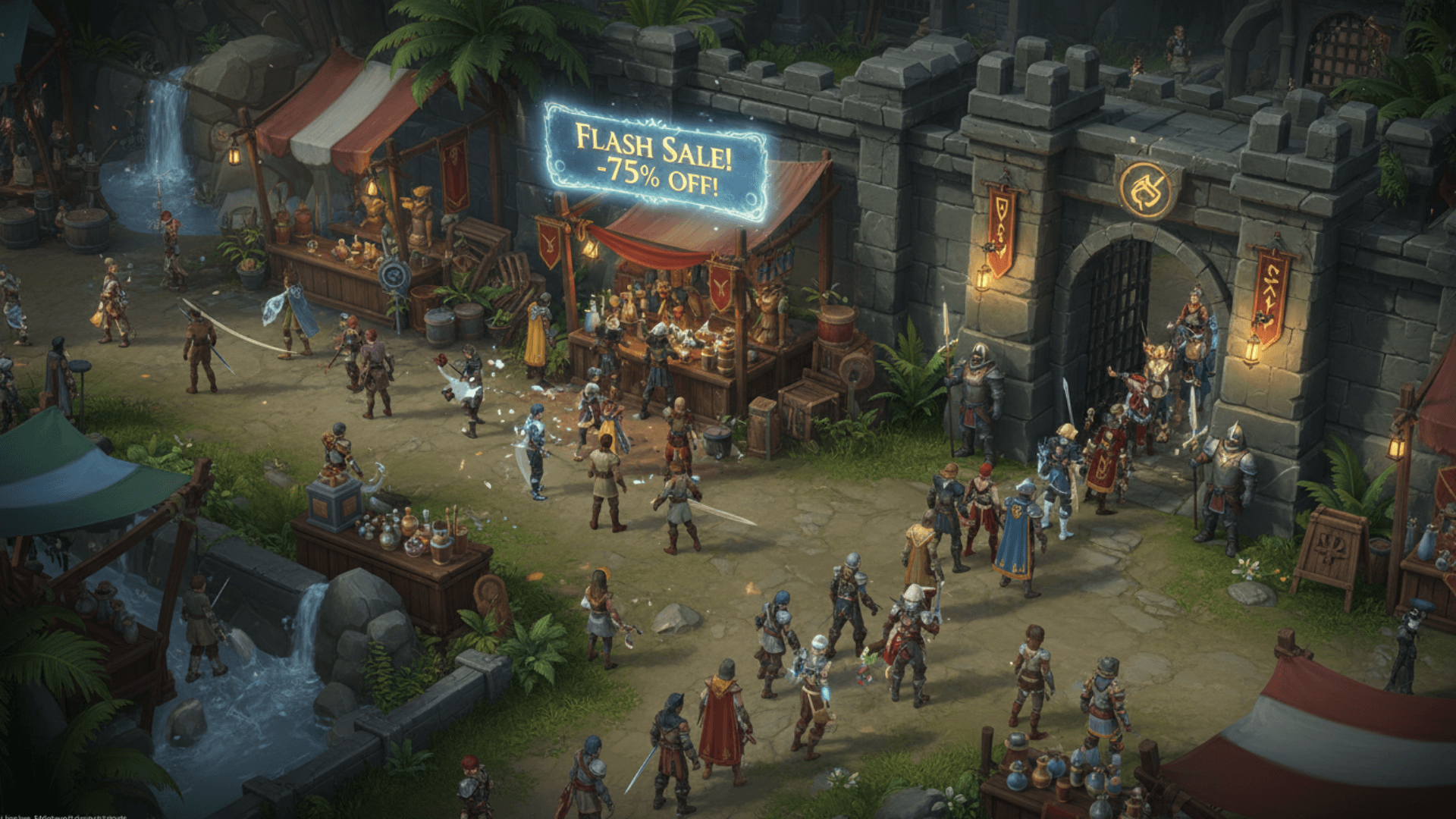
Discounting can influence traffic and ranking, but engagement response varies depending on established expectations. A price adjustment aligned with prior patterns may reinforce value perception. A sudden or inconsistent shift may create curiosity without sustained interest.
Evaluating the impact of pricing requires observing behavior across cycles rather than focusing solely on the immediate lift. Engagement quality, retention patterns, and recovery after promotional windows provide more meaningful context than a single spike.
On the steam marketplace, pricing functions as one signal among many, interacting with timing, updates, and competitive visibility.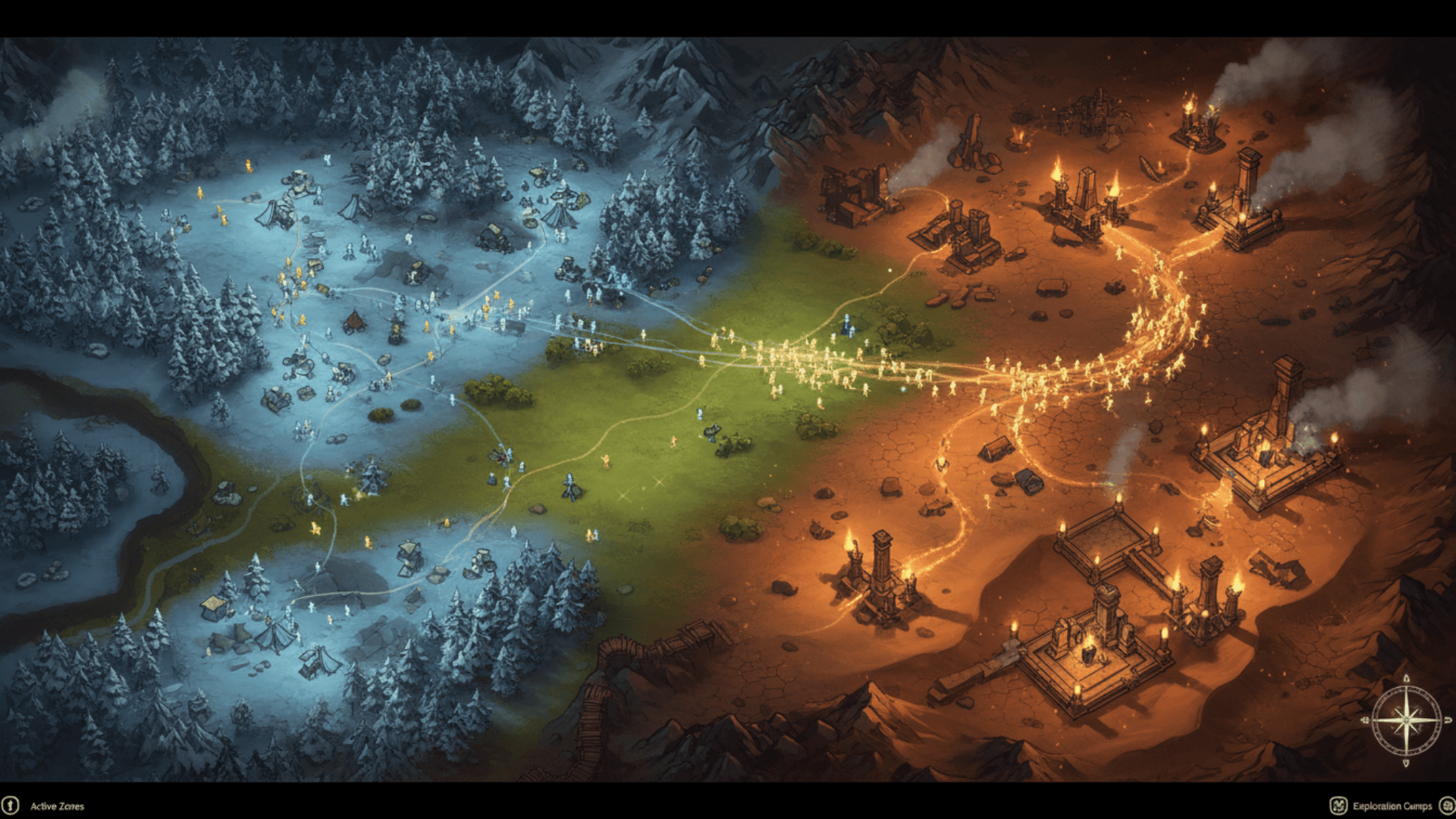
Regional Demand Shifts in the Steam Marketplace
Global totals often obscure regional movement. Demand patterns differ across territories due to local purchasing power, genre preferences, and concurrent releases. A game may gain traction in one region while remaining stable elsewhere without indicating overall volatility.
Monitoring regional attention shifts can offer early insight into emerging interest or softening momentum. These variations do not always signal structural change, but repeated directional movement across comparable periods may warrant closer evaluation. Understanding the steam marketplace requires recognizing that attention rarely moves evenly across geographies.
External Triggers: Sales, Creators, Platform Events
External triggers such as platform wide sales, creator coverage, or curated events frequently concentrate attention within compressed timeframes. These moments can reshape comparative positioning by amplifying discovery.
Their long term significance depends on post event stabilization. If a portion of the gained visibility persists, the event may have strengthened underlying demand. If engagement quickly reverts, the movement may have reflected temporary alignment rather than durable growth.
External signals initiate shifts, but sustained attention depends on broader competitive context.

Competitive Attention Mapping
Absolute performance metrics can mislead without comparative framing. Observing how similar titles behave under comparable conditions helps clarify whether movement reflects internal change or broader trends across the storefront.
When multiple games within the same genre display similar trajectories, the pattern often reflects structural conditions. When one diverges consistently from peers, the signal becomes more specific.
Competitive attention mapping allows teams to interpret performance relative to the steam marketplace environment rather than drawing conclusions from a single data point.
FAQ: Is Your Game Gaining Attention or Just Passing Through?
- Is a visibility spike always meaningful?
It can be informative, but its significance depends on whether engagement stabilizes above previous baselines.
- Does crowded timing permanently limit performance?
Crowding may affect early discovery, yet sustained alignment can still emerge through updates and continued exposure.
- Are discounts the most reliable way to increase attention?
Discounts influence visibility, but long term engagement depends on broader perception and positioning.
- Should regional variation prompt immediate strategic change?
Short term variation is common. Repeated directional shifts across comparable periods carry more interpretive value.
How Datahumble Reads Steam Marketplace Dynamics
Interpreting marketplace movement requires a layered view of market conditions. Datahumble places exposure, engagement, pricing behavior, and competitive benchmarks within the same analytical frame, helping teams understand how signals interact rather than evaluating them independently.
By examining patterns across comparable titles, lifecycle stages, and regional trends, teams can assess whether attention is stabilizing, reallocating, or diffusing within the steam marketplace. The objective is not to forecast outcomes, but to interpret positioning with clarity.
To explore how comparative signals and attention mapping can support more grounded marketplace evaluation, visit Datahumble’s Steam analytics platform at dashboard and see how structured context transforms raw movement into actionable insight.