

Pricing on Steam is often framed as a tactical lever. Short term moves made in response to slowing momentum. What this framing overlooks is that pricing is cumulative. Every change leaves a trace, and over time, those traces form a pattern players learn to recognize.
In today’s market conditions, steam price history functions less like a ledger and more like a memory. Players remember how a game has been valued across its lifetime, even if they never articulate it explicitly. That memory shapes trust, willingness to wait, and long term engagement far more than any single discount ever could.
This article looks at how historical pricing patterns influence lifetime value, why some discounts reinforce perception while others quietly undermine it, and how teams can interpret pricing data with restraint rather than urgency.
Why Historical Pricing Predicts Future Earnings
Price rarely operates in isolation. Once a game establishes a pricing rhythm, players begin to anticipate it.
A stable pricing history often signals confidence. Players who miss the launch window may still convert later because the value proposition feels consistent. Erratic pricing does the opposite. Rapid or unpredictable drops train players to wait, not to engage.
Future earnings are shaped less by the depth of individual discounts and more by the pattern those discounts form over time. That pattern informs how players judge urgency, fairness, and long term worth.

Learning From Top Seller Discount Patterns
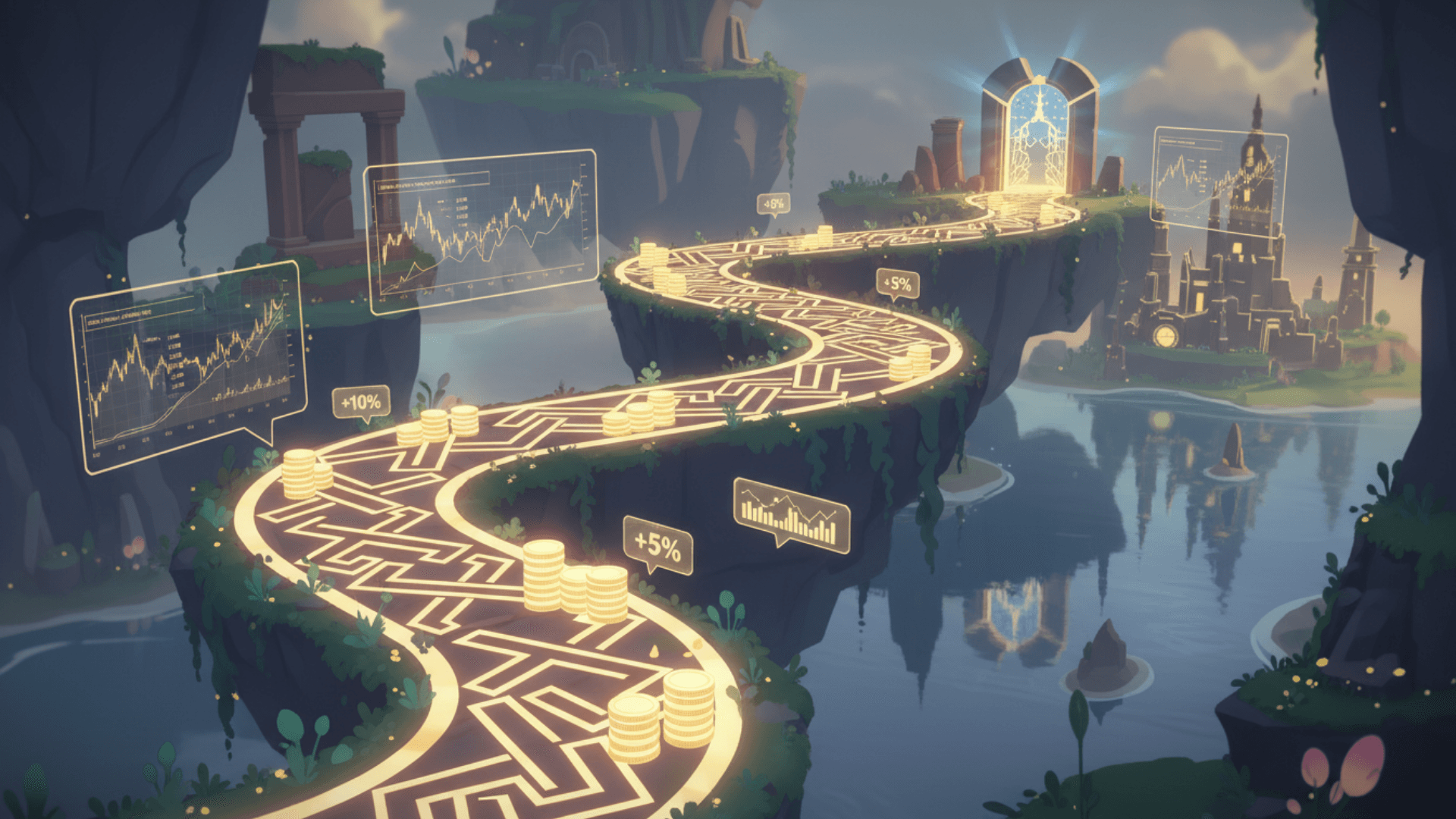
High performing titles tend to follow legible pricing arcs rather than aggressive early discounting. Initial price stability allows value to settle. Later discounts feel earned rather than corrective. Over time, this cadence teaches players to interpret discounts as opportunities, not expectations.
When historical pricing patterns are examined across top sellers, a recurring pattern appears. Discounts reinforce the original value instead of redefining it. Players perceive generosity without questioning the initial price.
Pricing Mistakes That Kill Perceived Value
The most damaging pricing mistakes are rarely dramatic. They accumulate quietly. Frequent early discounts can retroactively undermine launch pricing. Sudden deep cuts without context often feel like correction rather than reward. Inconsistent participation in sales blurs expectations around when and why a purchase makes sense.
Once perceived value erodes, it is difficult to rebuild. Even substantial updates struggle to overcome a pricing narrative that signals uncertainty. A fragmented steam price history does not only suppress revenue. It reshapes how players talk about the game.

Price Drop vs Player Trust Balance
Discounts create a tension between short term attention and long term trust. A price drop can reawaken interest, but it can also signal regret to early buyers. That signal spreads quietly through community spaces and behavior rather than explicit complaints. Players hesitate. They delay. They wait for confirmation.
Trust is maintained through consistency more than restraint. Players accept discounts when they feel predictable and fair. They resist them when pricing appears reactive. Read through this lens, steam price history becomes less about timing and more about relationship.
Steam Price History Through Datahumble Timelines
Price changes are easy to observe. Interpreting them is harder.
Datahumble helps teams view pricing timelines alongside player behavior and comparable titles. This context makes it easier to understand how price shifts align with engagement changes without assuming direct causation.
By comparing steam price history across similar games, teams can see whether a discount follows market norms or deviates from them. The objective is not to find a perfect price, but to understand how pricing behavior shapes player response over time.
Datahumble supports interpretation rather than prescription. It treats pricing history as a signal system, not a scorecard.

When to Discount and When to Never Touch Price
Discounting is most effective when it reinforces an existing value narrative. Moments of renewed visibility, meaningful updates, or genre wide sales often provide context that makes discounts feel justified. Discounting to compensate for unclear positioning or weak onboarding rarely solves the underlying problem.
In some cases, holding price steady is the strongest signal available. Stability can communicate confidence and allow interest to rebuild organically. Not every slowdown requires a pricing response.
FAQ How Far Can You Drop Without Damage
- Is a deep discount always harmful?
Not necessarily. Impact depends on timing and pattern. A deep discount that fits an established rhythm is often accepted. One that breaks expectation can create doubt.
- Do players really track past prices?
Not consciously, but behavior reflects memory. Purchase timing often aligns with expected discount cycles.
- Can pricing recover after early mistakes?
Recovery is possible, but gradual. Long term consistency matters more than corrective spikes.
- Should pricing strategy vary by genre?
Yes. Different genres normalize different pricing lifecycles. Context matters more than absolute numbers.
Reading Price as a Long Term Signal
Pricing decisions rarely fail in a single moment. They succeed or erode value gradually. A steam price history tells a story about confidence, fairness, and intent. Teams that read that story carefully turn pricing into a strategic asset rather than a reactive tool.
Datahumble helps teams place pricing behavior in context, compare it against similar titles, and understand how value perception evolves across a game’s lifecycle. The advantage comes not from perfect timing, but from treating price as a long term signal instead of a short term fix.