
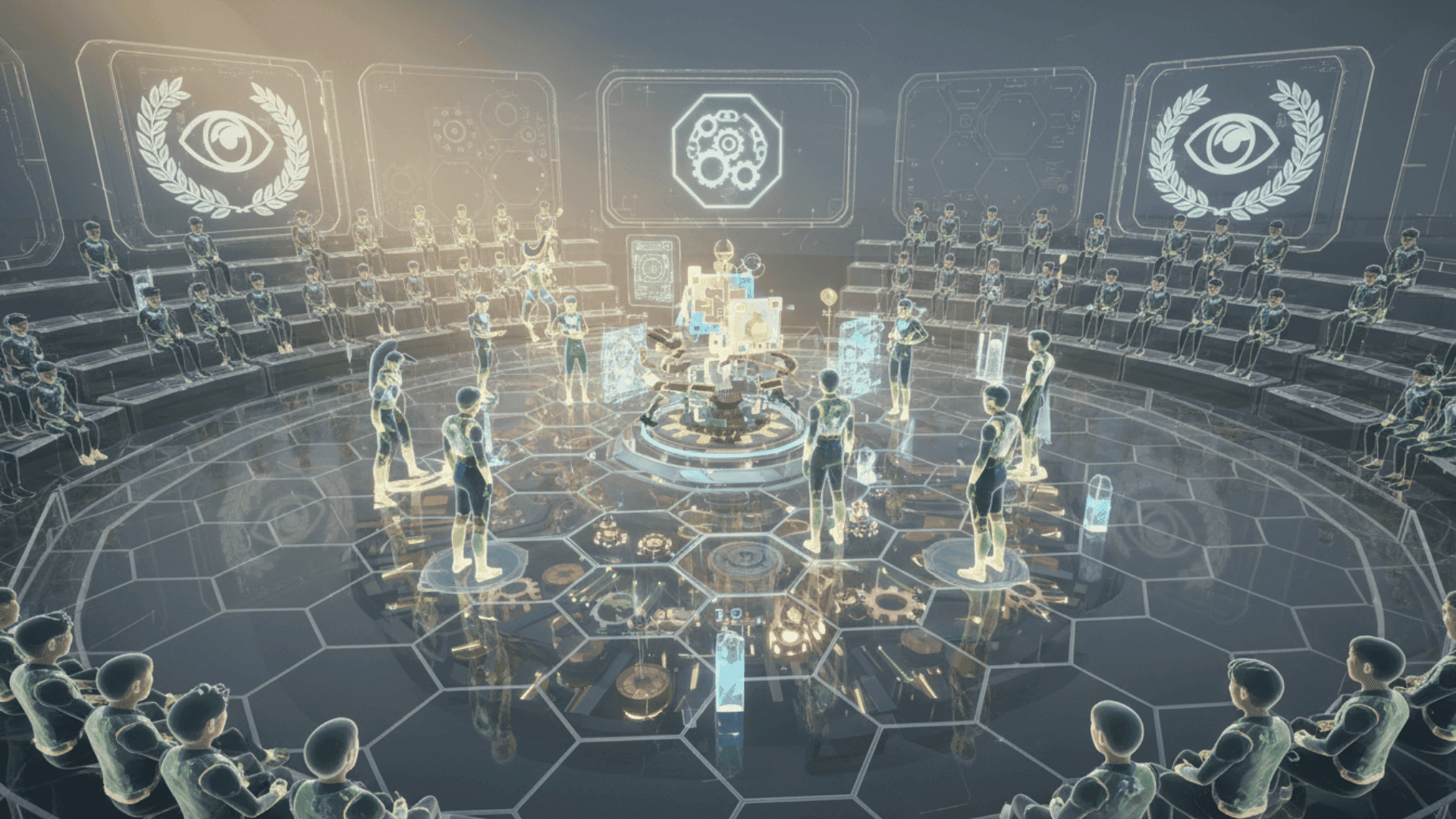
Live streaming on Steam is often treated as a promotional extra, a nice to have feature added late in the launch plan. This framing understates its role. In today’s market conditions, live visibility is not just about exposure. It shapes how players evaluate a game while attention is still forming.
A Steam broadcast puts a game in motion. Systems are visible. Decisions unfold publicly. Viewers are not only seeing what the game is, but how it behaves when played without editing or polish. That immediacy creates a different signal than trailers or store copy.
This guide breaks down broadcasts as real time evaluation spaces, explains how studios can use them with intent, and clarifies which signals are worth paying attention to while the stream is still live.
Why Broadcast Visibility Is Underrated
Many teams assume discovery happens primarily through store pages and algorithms. Broadcasts are often treated as secondary, something that amplifies interest once it already exists.
In practice, a Steam broadcast is often the first unscripted exposure a player has to a game. Viewers are not being sold directly. They are observing. They watch pacing, clarity, and friction as they happen, which makes broadcasts feel more credible than polished media.
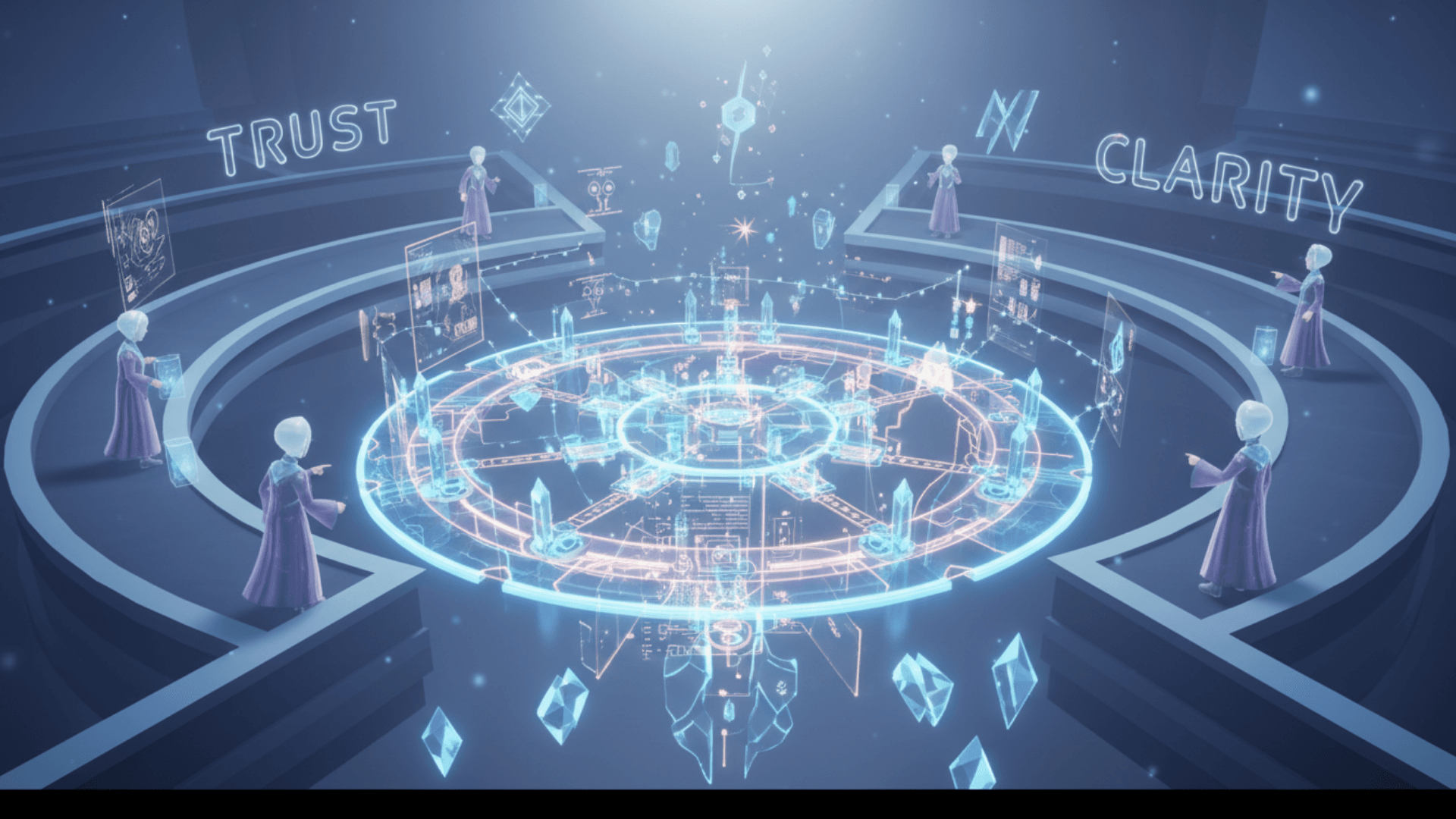
Visibility here is not about scale alone. It is about trust. When players see a game function in real time, uncertainty tends to decrease. Even when issues surface, transparency often builds confidence rather than causing damage.
Live Demo Strategy for Launch Week
Launch week streams are frequently approached with the goal of showing everything. This approach usually backfires.
Effective live demos are selective. They focus on moments that communicate the core loop clearly and quickly. Early confusion compounds in a live environment, while clarity spreads fast through chat and shared attention.
A Steam broadcast during launch week works best when it mirrors the first hour of player experience rather than showcasing advanced content. Viewers are usually asking a simple question: can I understand this game quickly enough to care.
How Steam Broadcasts Convert Viewers Into Wishlists
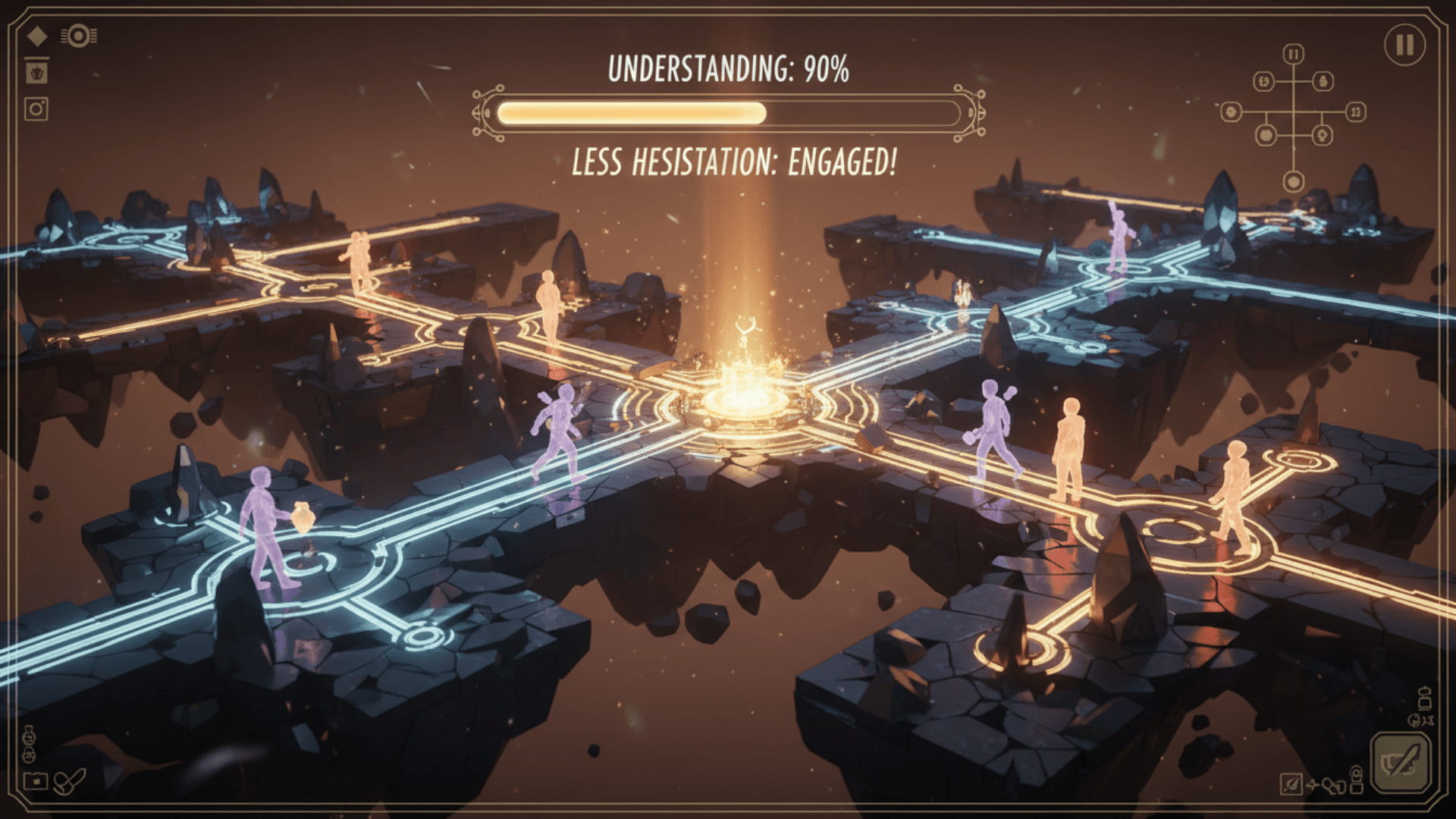
Conversion during a broadcast rarely happens at peak excitement. It usually occurs after viewers have watched long enough to feel oriented. Wishlists tend to follow moments of understanding rather than spectacle. When systems click, progression becomes legible, or a decision feels meaningful, intent begins to form.
A Steam broadcast supports this process by giving viewers time to reach that understanding. The role of the stream is not to push action, but to remove hesitation. When uncertainty drops, wishlisting becomes a natural next step.
Using Chat Feedback for On the Spot Iteration
Live chat is not structured feedback, but it is immediate.
Repeated questions often signal unclear mechanics or missing context. Silence during key moments can indicate cognitive overload. Sudden spikes in reaction frequently align with moments of clarity or surprise. During a Steam broadcast, these signals appear in real time. Teams that observe chat patterns rather than individual comments can identify where explanation helps and where pacing needs adjustment. Small clarifications made live often improve not only the stream, but the broader onboarding experience.
The Live Stream Metrics Datahumble Tracks That Actually Matter
Raw viewer counts rarely explain much on their own. What matters more is how attention behaves over time.
Datahumble helps teams interpret broadcast behavior by focusing on retention patterns, entry and exit timing, and how viewership responds to specific moments. These signals gain meaning when compared across similar titles and broadcast formats.
Rather than treating a Steam broadcast as a one off event, teams can evaluate whether attention stabilizes, decays, or recovers. This context supports interpretation without implying direct causation or guaranteed outcomes.
Broadcast Event Ideas That Actually Work
Successful broadcast formats tend to share one trait: they respect viewer attention. Streams that follow a single run, a specific challenge, or a clear progression arc often outperform unfocused play sessions. Viewers stay longer when they understand what they are watching and why it matters.
A Steam broadcast works best when it frames the experience instead of overwhelming it. The goal is not constant action. It is coherence.
FAQ Stream Length Frequency and Timing
- How long should a broadcast run?
Long enough for viewers to understand the core loop. Extremely short streams limit learning. Extremely long streams tend to dilute attention.
- How often should teams stream?
Consistency matters more than volume. A small number of wellframed broadcasts usually performs better than frequent, unfocused sessions.
- When is the best time to go live?
Timing should align with audience availability, but content clarity matters more. A clear stream at an average time often outperforms a confusing stream at peak hours.
Reading Live Attention Without Overreacting
Live streams do not sell games by force. They sell by reducing doubt. A Steam broadcast reveals how a game behaves when nothing is hidden. For teams willing to observe patterns rather than chase peaks, these moments offer valuable insight into player perception while it is still forming.
Datahumble supports teams in interpreting live stream behavior with context, helping them understand what attention is doing rather than what they hope it will do. The advantage comes not from broadcasting louder, but from reading the signals more carefully.