

Visibility on Steam is rarely driven by a single moment. It is shaped by a series of small, cumulative signals that influence how a game is discovered, evaluated, and discussed. Within that ecosystem, Steam curators occupy a unique position. They do not function like press, and they do not behave like players. Their impact sits somewhere in between.
This guide looks at how teams can approach Steam curators as part of a broader visibility and discovery strategy. The focus is not on outreach volume, but on alignment, timing, and interpretation of impact.

What Steam Curators Look For in Indie Titles
Most curators are not searching for technical perfection. They are looking for coherence. A clear genre promise, a readable store page, and a game that understands its audience matter more than feature density.
Curator audiences tend to respond to titles that know what they are and communicate that identity consistently. When positioning is vague or presentation overpromises, even positive coverage often fails to convert into meaningful attention. Curator interest usually reflects clarity rather than ambition.
For teams, this means that curator outreach starts with self-definition, not messaging.
Building Relationships With Niche Curator Pages
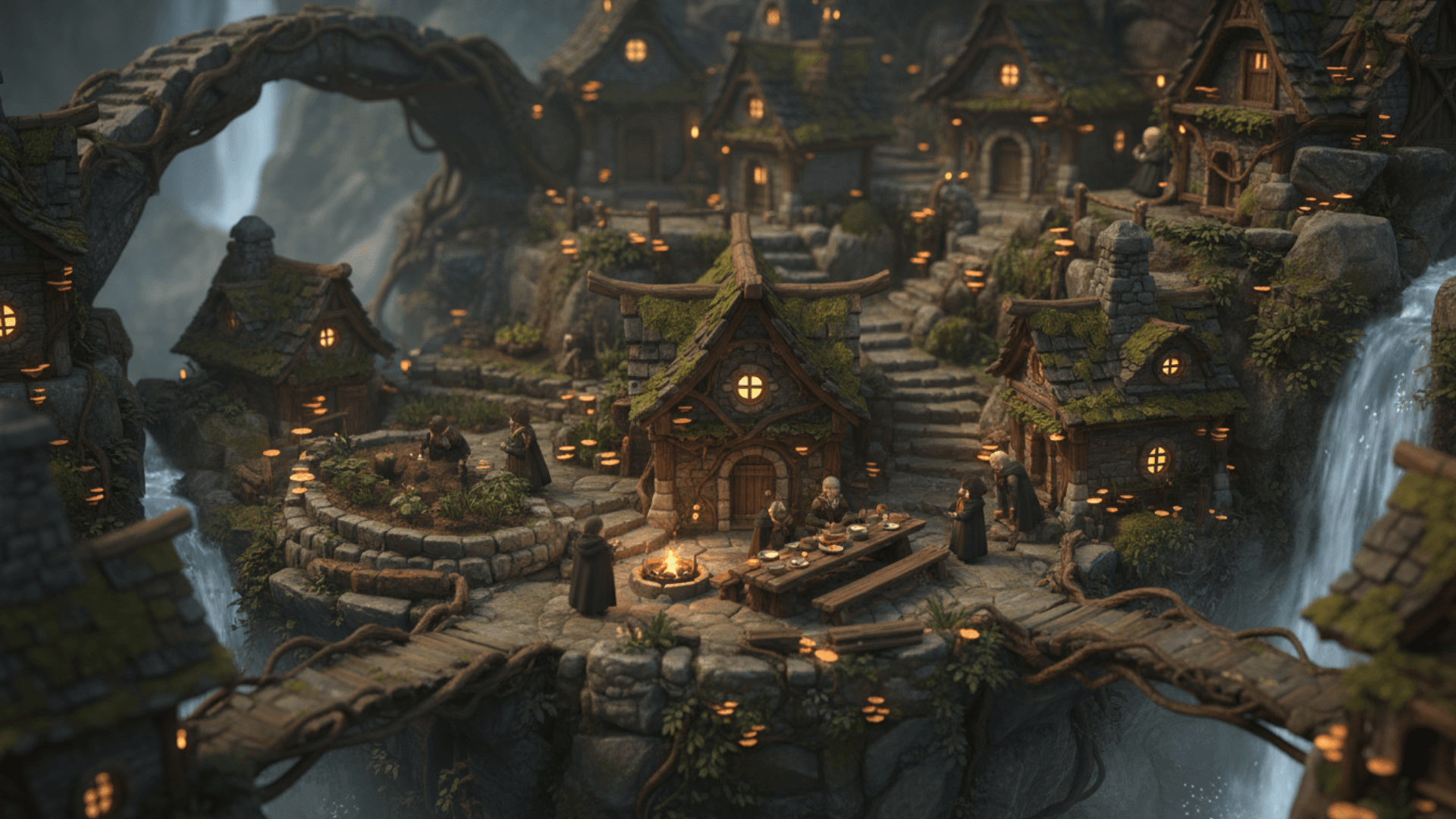
Not all curators operate at the same scale, and scale is rarely the most important factor. Niche curator pages often serve tightly defined audiences with specific expectations. When a game aligns with those expectations, coverage tends to feel more authentic and sustained.
Building relationships with niche curator pages is less about persuasion and more about relevance. Outreach that demonstrates awareness of a curator’s focus usually performs better than generic announcements, as sustained alignment tends to matter more than one-off exposure. These relationships develop gradually, not transactionally.
Review Timing Strategy for Maximum Reach
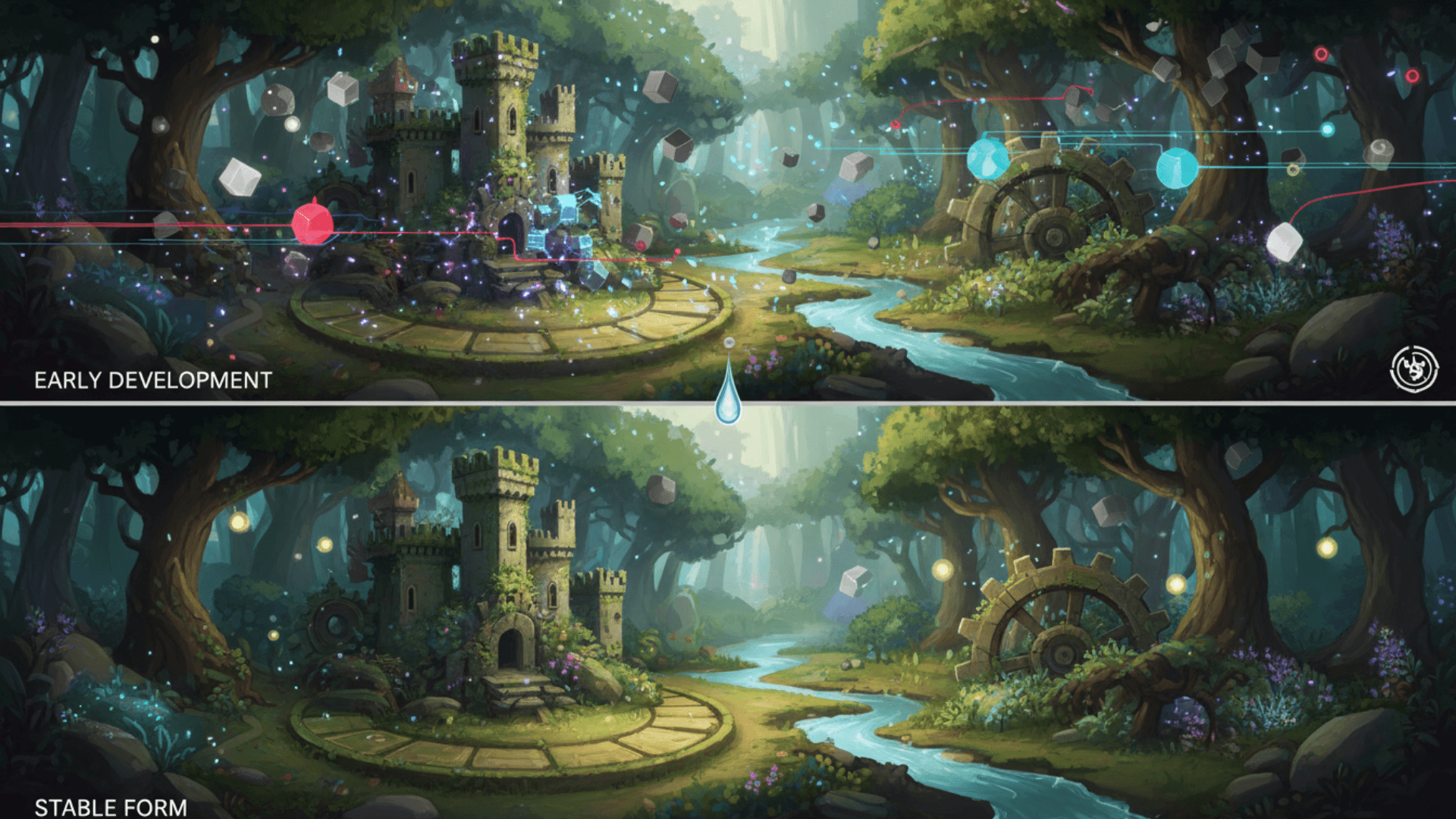
Timing plays a significant role in how curator coverage performs. Early reviews can influence discovery during launch windows, but they can also lack context if the game is still evolving. Later coverage may be more informed, but it often competes with reduced attention.
Effective timing balances readiness with momentum. Steam curators tend to provide more meaningful coverage when the game’s core experience is stable and its positioning is clear. This allows curator commentary to reinforce expectations rather than introduce confusion.
Timing should support understanding, not urgency.

Using Steam Curators in Your Launch Pipeline
Curators are most effective when treated as one signal within a larger launch pipeline. They complement wishlists, community engagement, and organic discovery rather than replacing them. Using curator coverage strategically means understanding where it fits within the broader exposure sequence. When integrated thoughtfully, curator coverage can help maintain visibility beyond initial launch moments.
Isolation reduces impact. Context amplifies it. While curators shape early discovery and positioning, not all visibility channels translate into player action. For a deeper look at how creator-led exposure turns into measurable conversion, we explore this dynamic further in our streamer database analysis, focusing on creators who consistently influence wishlist and sales behavior.
Datahumble Tracking for Curator Coverage
Measuring curator impact requires restraint. A single mention rarely explains changes in behavior on its own. What matters is how coverage aligns with shifts in discovery, engagement, or intent over time.
Datahumble tracking helps teams observe how curator activity coincides with other visibility signals. Rather than attributing causality, this approach focuses on correlation and timing. Steam curators become part of a pattern rather than a standalone explanation. This perspective reduces overinterpretation while preserving insight.
Case Study: Curator-Driven Wishlist Surges
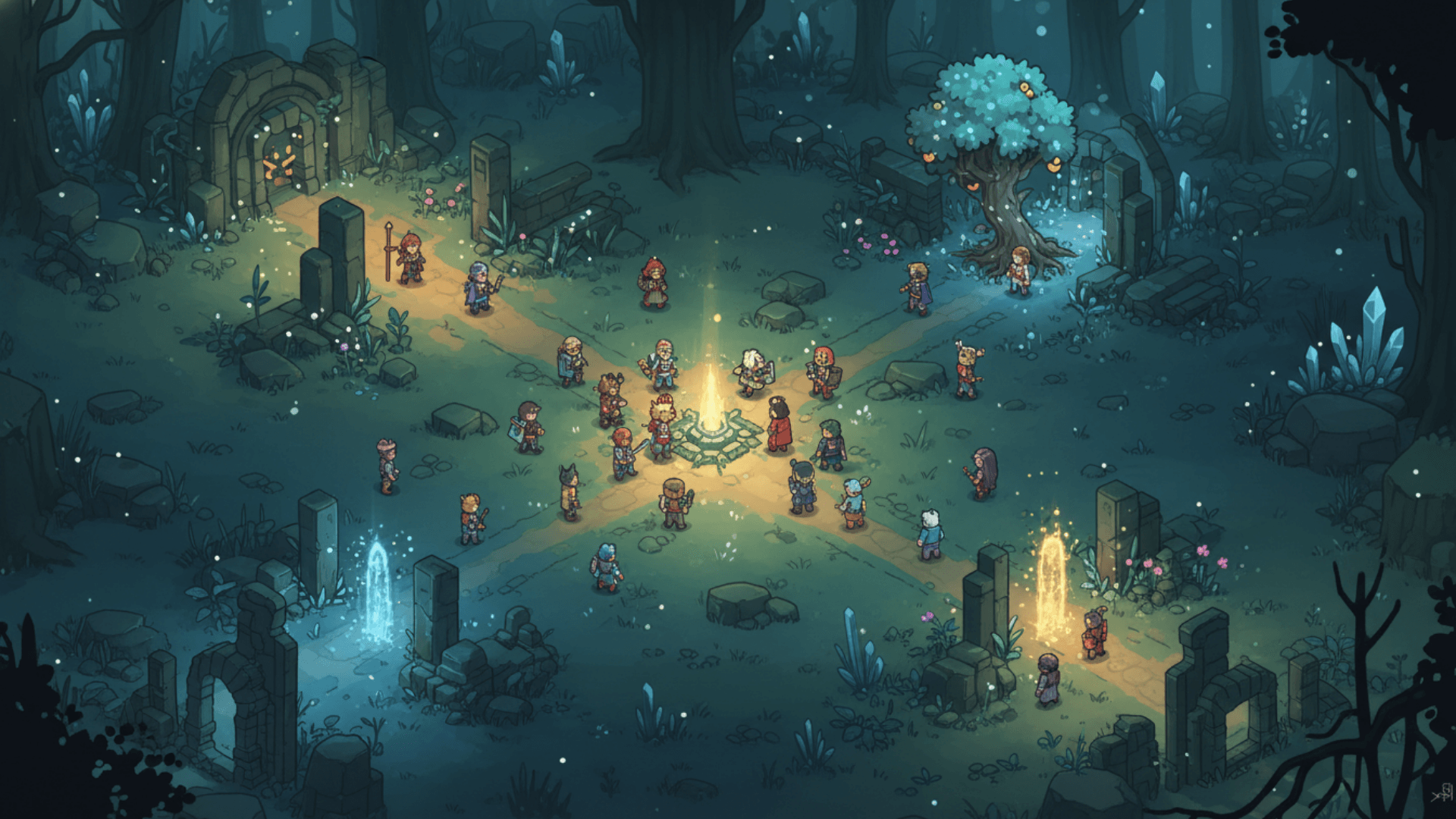
In practice, curator-driven visibility tends to work best when coverage reinforces an existing narrative. In cases where niche curators highlighted a game that already resonated with a specific audience, wishlist growth often followed in a sustained way rather than as a short spike.
The key factor was not the size of the curator, but the fit between audience expectation and game identity. When that alignment was present, curator mentions acted as confirmation rather than introduction.
FAQ: How Many Curators Should You Target?
- Is it better to target many curators or a few aligned ones?
Alignment generally matters more than volume. A smaller number of relevant curators often produces clearer signals than broad outreach.
- Can curator coverage replace press or influencer campaigns?
No. Curators serve a different function. They contribute to discovery and validation but do not replace other channels.
- How should teams evaluate curator impact?
By observing patterns over time rather than reacting to individual mentions. Context is more informative than immediate movement.
Interpreting Influence, Not Chasing Exposure
Steam curators can play a meaningful role in a game’s visibility, but only when approached with intent and context. Their value lies in how they reinforce discovery patterns rather than how loudly they announce a title.
Explore how curator coverage aligns with other discovery signals and how visibility patterns evolve over time using Datahumble.