
Finding streamers is easy. Finding streamers who actually move copies is not.
Most teams approach influencer discovery as a visibility exercise. Follower counts, peak viewers, flashy dashboards. The result is predictable: high exposure, low conversion, and no clear explanation for why nothing translated into sales.
A streamer database only matters when it helps answer a harder question: which creators consistently turn attention into revenue.
This guide breaks down how to use a streamer database as a revenue tool, not a contact list. We will focus on conversion patterns, audience alignment, and systems that scale without burning your team out.

10 Creators That Sell More Than 1.000+ Keys Alone
Every market has a small group of creators who outperform their size.
They are rarely the biggest names. Instead, they tend to build deep audience trust, return repeatedly to similar games, and show clear post-stream conversion behavior over time.
In any solid creator discovery system, you will see this pattern emerge quickly. A handful of creators consistently appear in sales spikes, wishlist surges, or sustained long-tail revenue.
These creators usually stream fewer games but go deeper into each one. Their audiences tend to mirror actual buyers rather than passive spectators, and they often drive delayed conversions days or even weeks after a stream ends.
The mistake teams make is treating these creators as “nice wins” rather than anchor partners. In reality, 10 creators like this often outperform 100 generic placements.
How to Build a Streamer Database Lead List Without Losing Your Mind
Most lead lists fail before outreach even begins. The usual process is painfully familiar: teams export hundreds of creators, narrow them down by language or region, and start sending messages until response rates inevitably collapse.
A high-performing creator discovery layer should reduce decisions, not create more of them. The key is narrowing by behavior, not by surface attributes. Instead of asking “Who streams similar games?” ask:
• Who keeps audiences watching past the first 30 minutes?
• Who repeatedly returns to the same genre?
• Who sustains engagement across sessions, not just spikes?
A short, behavior-qualified list beats a long, generic one every time. When your list is right, outreach becomes a confirmation step rather than a gamble.
Audience Affinity Scoring: The Hidden Layer of a Streamer Database
This is where most teams stop short. Audience affinity is not about genre overlap alone. It is about how closely a creator’s audience matches the decision-making profile of your players.
Strong affinity reveals itself through consistent behavioral signals. Viewers tend to watch multiple creators playing similar games, tolerate slower pacing or learning curves, and participate actively in chat during moments where decisions are forming.
A good streamer database allows you to score creators not by popularity, but by fit. This is often the difference between streams that look successful on dashboards and streams that actually move wishlists and sales.
Affinity filters eliminate guesswork. They surface creators whose audiences are already primed for your game, long before you send a message.
Template: A Cold Message That Works (Copy/Paste)
Most cold messages fail because they are written for creators, not for context.
Here is a template that works precisely because it avoids hype:
Hi [Name],
We’ve been tracking how your audience engages with [specific genre or mechanic], and your streams around [specific game or moment] stood out.
We’re working on a title that aligns closely with what your viewers tend to stay for, not just click into. If you’re open, we’d love to share early access and see if it’s something that fits your channel.
No pressure at all. Reaching out based on audience overlap rather than size felt more honest.
Best,
[Your Name]
This approach works because it signals that you did your homework, care about audience fit, and are not chasing clout for its own sake. The underlying data gives you the evidence needed to write messages like this honestly.
Datahumble Discovery System Setup
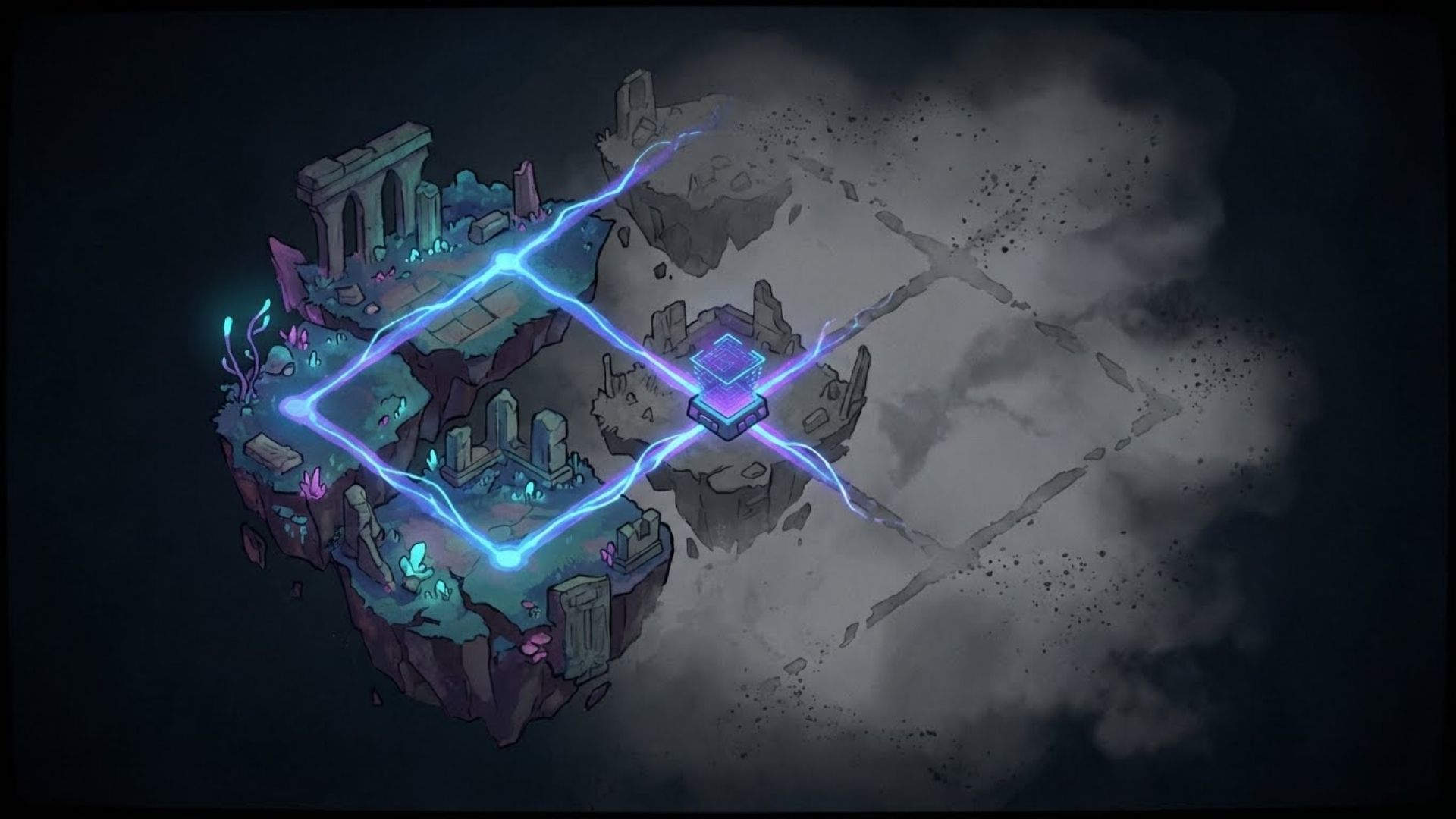
Discovery without structure does not scale.
The Datahumble creator discovery system is designed to surface creators through:
- Historical performance, not one-off moments
- Audience behavior across titles and genres
- Conversion-adjacent signals like sustained watch time and repeat exposure
Instead of starting with creators and hoping for outcomes, teams start with proven behavioral signals and work backward to the right partners.
This flips the workflow. Discovery becomes a strategic filter, not a fishing expedition.
Creator Relationship Automation (CRM for Humans)
Automation should never feel automated.
The goal is not to send more messages. It is to remember context:
- Who responded
- Who streamed similar games
- Who converts quietly but consistently
Treat creators like long-term partners, not campaign slots. A centralized creator layer integrated into a lightweight CRM flow helps you:
- Time follow-ups intelligently
- Avoid duplicate outreach
- Build continuity across launches
The best-performing teams are not louder. They are more consistent.
Red Flags: “Clout Chasers” You Must Avoid
Some creators look perfect on paper and fail every time.
Common red flags to watch for:
- Massive spikes followed by immediate drop-offs
- Constant game hopping with no retention
- Audiences that engage emotionally but never commit
These creators are not dishonest. They are simply optimized for visibility, not conversion.
Avoiding them is not about judgment. It is about alignment. If your goal is sales, not screenshots, these signals matter more than follower counts ever will.
From Database to Revenue Engine
A streamer database is not a list. It is a decision system.
When used correctly, it helps teams focus on creators who actually move product, build outreach that feels informed rather than transactional, and turn streaming from a vague awareness channel into predictable commercial impact.
Stop optimizing for reach. Start optimizing for results. Datahumble helps teams identify creators who consistently turn streams into sales using behavioral data, affinity scoring, and historical performance. Create your account and turn your streamer database into a repeatable revenue engine.