
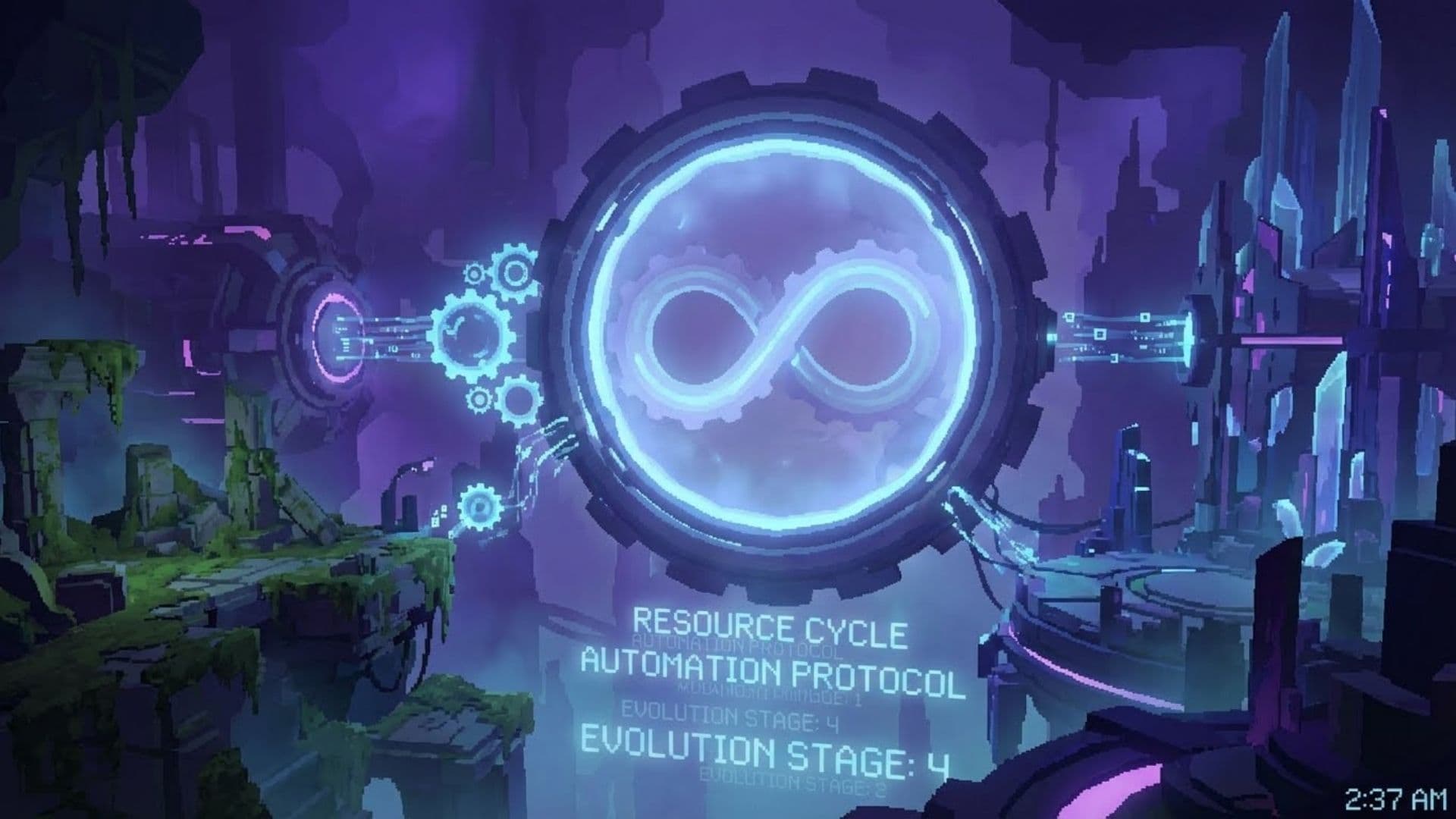
Watching games has quietly shifted from behavior before purchase into a standalone form of engagement. On platforms like Twitch, viewers are no longer only evaluating whether a game is worth buying. They are participating in a shared experience shaped by pacing, personality, and collective attention.
This shift helps explain why top streamed games often defy traditional assumptions about success. Some convert directly into sales, while others first dominate watch time and build cultural relevance. What unites them is not genre or production scale, but their ability to sustain attention across long, unstructured sessions.
Understanding why players keep watching for hours requires looking beyond surface mechanics and examining how these games behave as live systems.
Why Some Games Become “All-Day Streams”
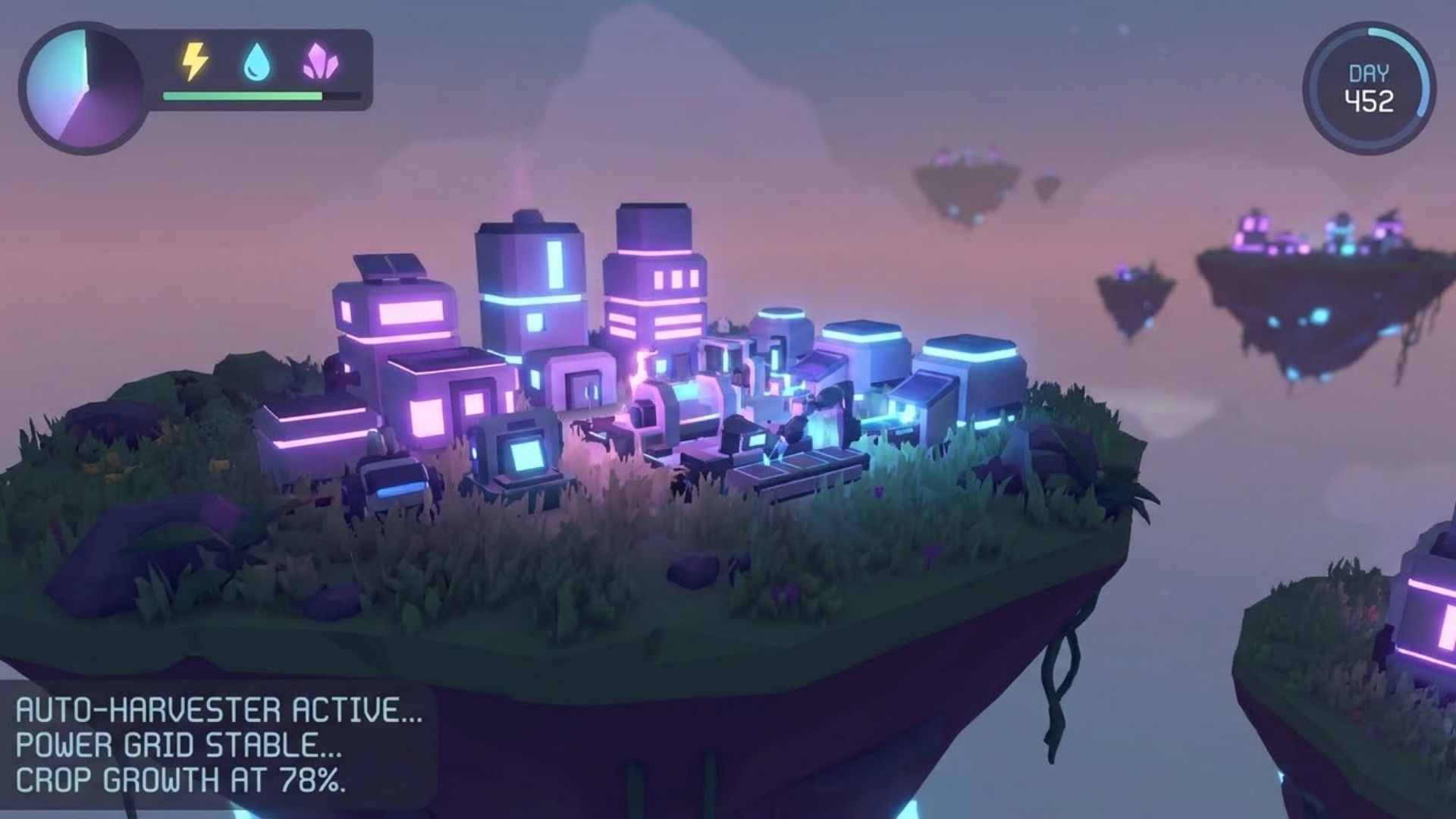
“All-day streams” are rarely intentional. They emerge when a game supports continuous engagement without exhausting either the streamer or the audience.
These games establish a rhythm that allows viewers to drop in and out without losing context, while still offering the possibility of surprise. The core loop becomes familiar quickly, reducing cognitive effort, but the system remains open enough to allow unexpected outcomes.
The Retention Hooks: Humor, Chaos, Mastery, Progression
Long watch sessions are rarely driven by a single hook. They are sustained through overlapping dynamics that reinforce one another over time.
Humor often emerges organically from systems rather than scripted moments. Chaos introduces unpredictability that feels genuine rather than manufactured. Mastery gives viewers something to follow, especially when improvement is visible and imperfect.
Progression ties these elements together. It creates continuity across sessions. Viewers return not just to be entertained, but to see how the state of the game has evolved since the last stream. Over time, this continuity becomes a reason to keep watching longer.
How Long Streams Turn into Cult Followings
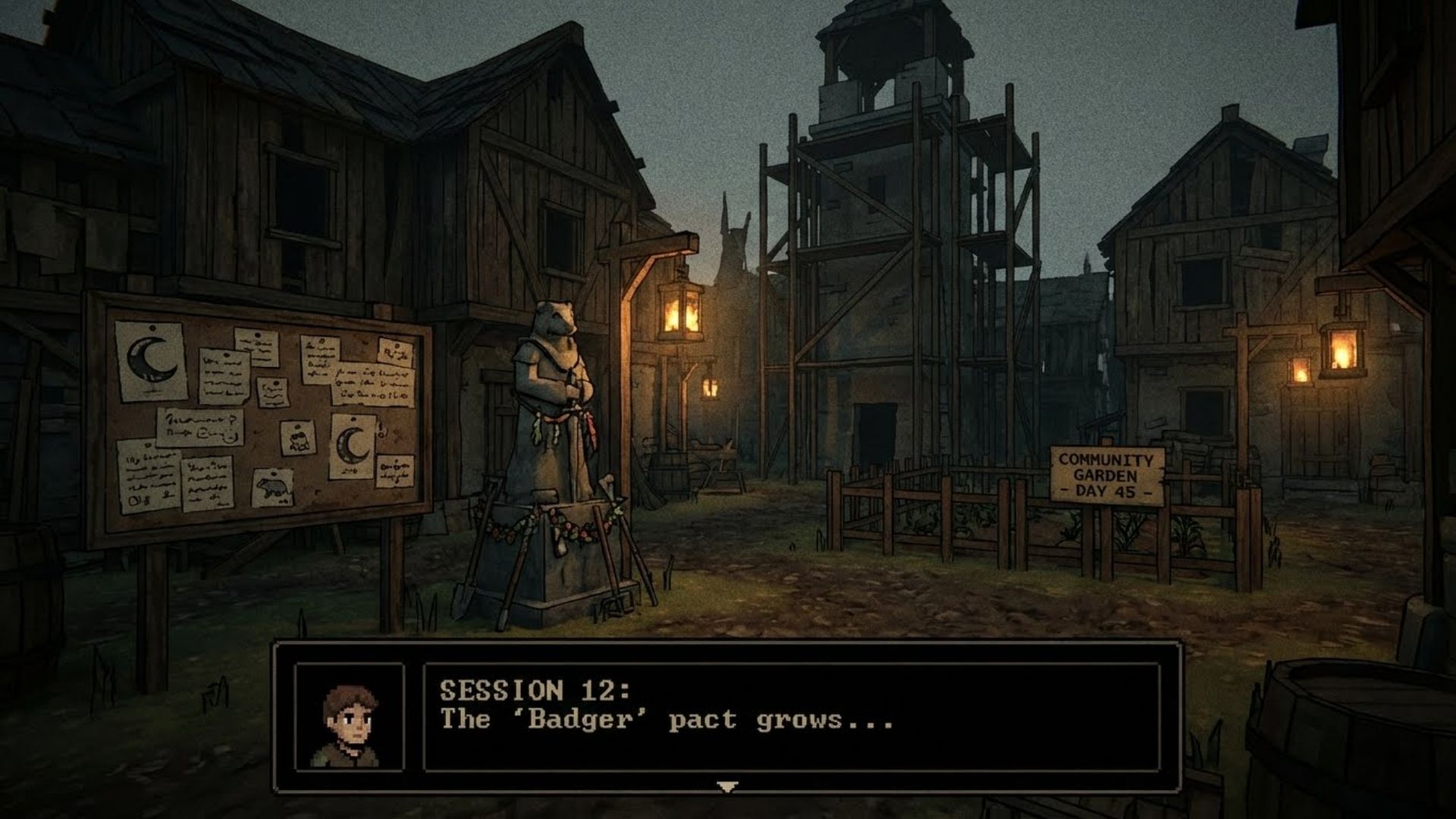
When audiences spend dozens of hours with the same game, often through the same creator, they internalize its logic and rhythms. The game develops a shared language. References, inside jokes, and collective memory form naturally.
Many top streamed games benefit from this effect. Even viewers who never play the game feel invested in its outcomes. The experience becomes communal rather than transactional, which is how niche communities evolve into cult followings.
The Social Loop: Clips → Memes → Viral → Wishlists
Sustained streams generate moments that escape the live environment. Emotional peaks are clipped. Clips turn into memes. Memes travel independently of the original stream.
This circulation introduces the game to new audiences in compressed form. Context is often lost, but the emotional impact remains. Over time, repeated exposure builds familiarity, which lowers friction when the game appears elsewhere.
For top streamed games, this loop rarely produces instant conversion. Instead, it compounds recognition. When viewers eventually encounter the game on a store page, it feels known rather than new. That familiarity is often what turns passive interest into action.
Datahumble Comparisons: Top 100 vs Bottom 100
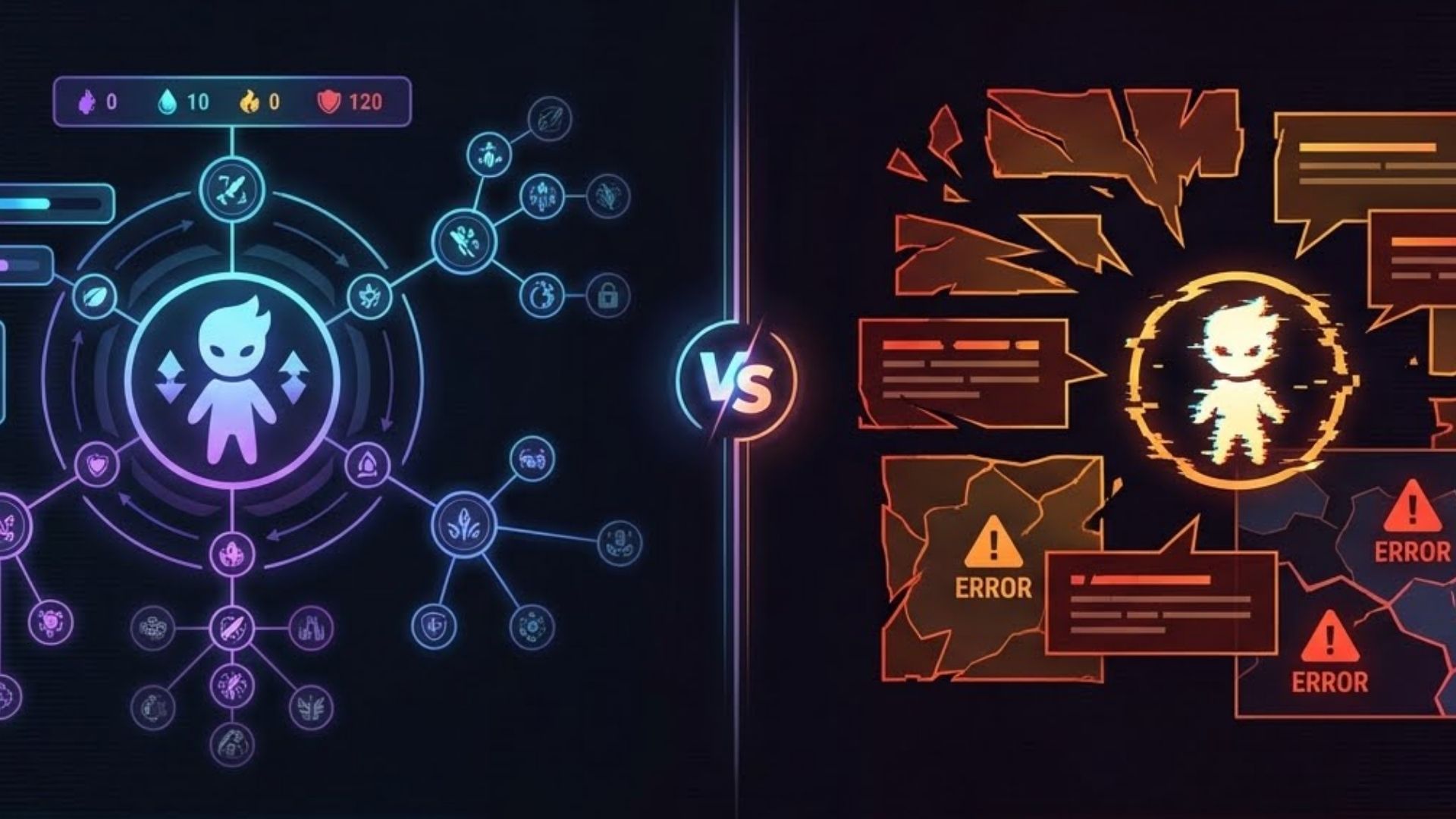
When comparing the most and least watched titles at scale, structural differences become clear.
Top streamed games tend to show longer average watch sessions and slower decay over time. Lower performing titles often experience early spikes followed by sharp drops, even when initial visibility is strong.
The distinction is rarely marketing alone. It reflects how well a game externalizes decision making, risk, and emotion. Games designed primarily for private, outcome focused play struggle to sustain attention as spectacles. Those that expose processes rather than just results perform better.
Design Decisions We See in Every Top Streamed Game
Across genres, the same design patterns consistently appear in games that dominate watch time:
• Readable systems at a glance, allowing viewers to understand what is happening without explanation
• Visible and often entertaining failure states, rather than abrupt endings
• Gradual success progression, where outcomes unfold over time instead of resolving instantly
• Tolerance for downtime, creating space for commentary, reaction, and interaction
Planning, recovery, and moments of uncertainty give streamers room to talk and audiences room to engage. This space often matters more than constant action.
FAQ: Can a Slow Game Still Become a Hit?
- Can slower-paced games succeed on Twitch?
Yes. Speed is not the determining factor. Games that support long-term arcs, strategic depth, or narrative accumulation can maintain strong viewership even without constant action.
- Do multiplayer games have an inherent advantage?
Not inherently. Multiplayer amplifies unpredictability and social interaction, but single-player games with visible systems and progression can perform just as well.
- Can niche titles reach top streamed status?
They can, often within focused communities. Intensity of engagement frequently compensates for smaller audience size.
Watching as a Strategic Signal
The success of top streamed games is not accidental, nor is it purely creator-driven. It reflects how design, pacing, and social dynamics intersect in a live environment.
As streaming continues to shape discovery and perception, watch behavior has become a signal worth interpreting rather than a byproduct to ignore. Games that understand this do not chase virality. They create conditions where attention can settle, deepen, and persist. In an ecosystem defined by competition for time, the ability to hold an audience for hours is not just entertainment value. It is strategic leverage.
Understanding why players watch for hours is only the first step. The real advantage comes from being able to measure, compare, and interpret that attention at scale.
Datahumble helps teams analyze streaming behavior across top and emerging titles, connect watch patterns to commercial outcomes, and understand how attention translates into long-term value. Sign up for Datahumble to explore streaming data as a strategic signal, not just a metric.