

For years, wishlists have been treated as the primary signal of commercial intent on PC platforms. They are easy to count, easy to compare, and easy to report. As the market matures, however, one limitation has become increasingly clear: wishlists describe interest, not conviction.
Live viewing behavior on Twitch reveals something different. It captures how players spend attention in real time. What they watch, how long they stay, and when they disengage often provides a more immediate and honest signal of downstream demand than static pre-launch metrics. In response, twitch stream analytics has shifted from a marketing afterthought into a strategic input for teams that care about revenue quality, not just reach.
This article examines why Twitch data matters more than before, how to interpret it without chasing noise, and how watch behavior can be translated into commercially meaningful insight.

Why Twitch Viewership Predicts Sales Better Than Wishlists
The assumption that intent begins and ends with a click on “Add to Wishlist” belongs to an earlier phase of the ecosystem. Today, discovery happens in motion. Games are not evaluated in isolation but in context, alongside other titles, creators, and genres competing for attention at the same moment.
Twitch viewership reflects this competitive reality. A viewer who stays through a stream, returns for another session, or watches multiple creators play the same game is demonstrating time-based commitment. That commitment often precedes purchasing behavior more reliably than a passive expression of interest.
Wishlists still matter, but they lag behind moments when players are actively evaluating what a game feels like to play. Stream engagement happens closer to the moment of evaluation, when players are actively forming opinions about moment-to-moment gameplay, pacing, and feel. In practice, watch behavior often surfaces shifts in demand earlier than storefront metrics do.

Metrics That Actually Matter Beyond Raw View Counts
Total views are seductive but misleading. They flatten very different behaviors into a single number and obscure where value is actually created or lost.
Retention curves tell a more useful story. How long viewers stay once they arrive reveals whether the game sustains interest beyond initial curiosity. Consistent average concurrent viewership provides insight into baseline demand, independent of spikes caused by one-off promotions. VOD decay shows how quickly interest fades once a live moment has passed.
From there, twitch stream analytics becomes less about monitoring performance and more about interpreting behavior patterns.
Identifying Viral Moments and Clipping Opportunities
Not all minutes of a stream are equal. Certain moments consistently trigger spikes in chat activity, viewer retention, or replay engagement. These moments often coincide with emotional inflection points: surprise mechanics, visible mastery, unexpected outcomes.
Identifying these moments is less about manufacturing virality and more about recognizing what the audience is already responding to. Clips derived from these segments tend to travel further, not because they are optimized, but because they are grounded in genuine viewer reaction.
Tracking Conversion Across the Funnel
The path from stream to sale is rarely linear. This makes direct attribution difficult, though still possible to reason about. By observing correlations between stream activity, wishlist velocity, and eventual sales performance, teams can begin to understand how attention translates into action. Sudden increases in wishlist additions following sustained streaming exposure often indicate alignment between what is shown and what players are willing to commit to later.
The mistake is over-attribution. The value comes from observing patterns over time. When stream engagement rises without any corresponding movement in downstream metrics, it often signals a mismatch between interest and perceived value.
Competitive Analytics and Contextual Benchmarking
Streaming data becomes far more meaningful when viewed comparatively. Absolute numbers matter less than relative performance within a genre or time window.
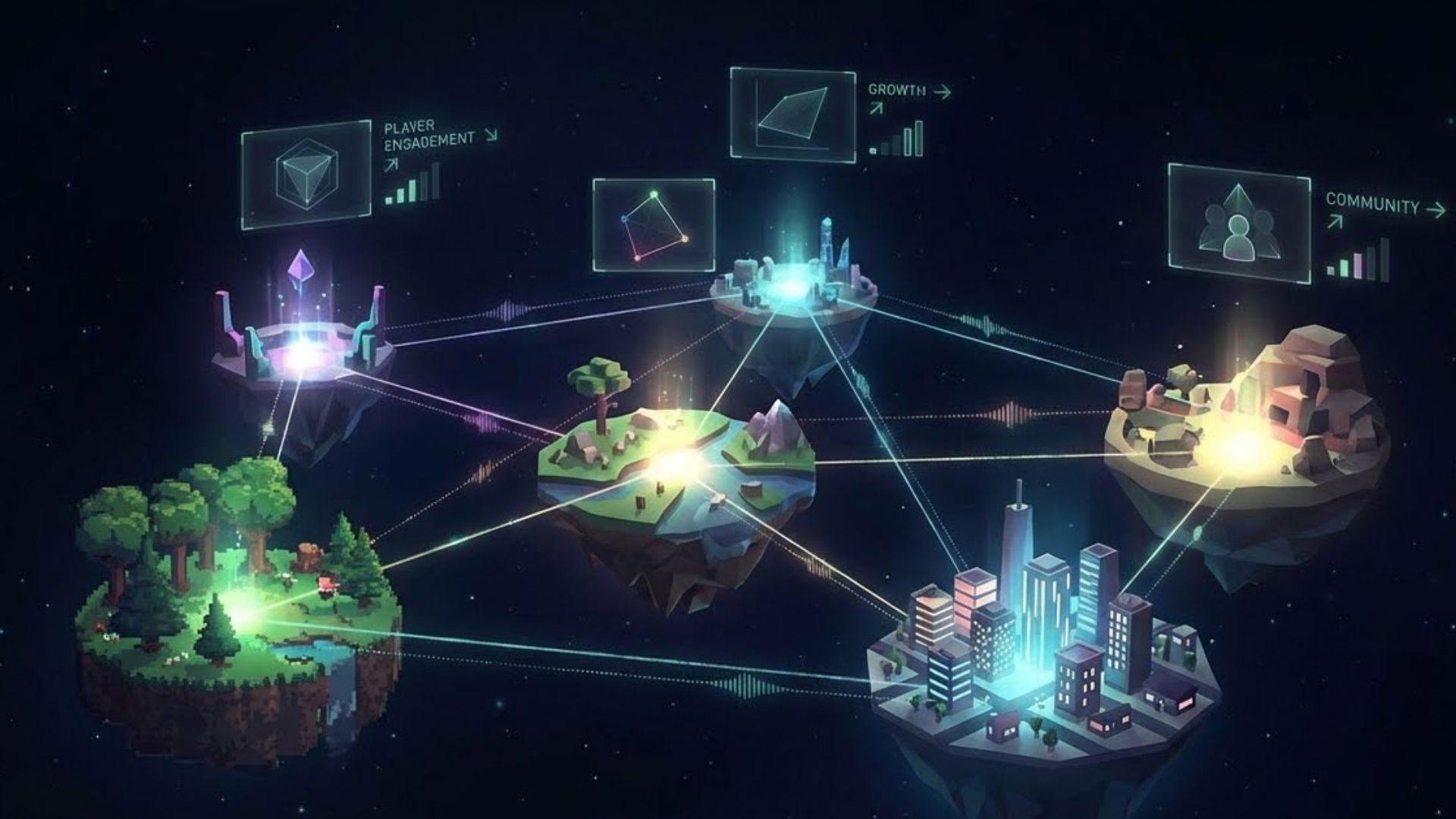
Viewed in context, twitch stream analytics supports strategic positioning. It helps teams understand whether a game is underperforming, overperforming, or behaving exactly as the market would predict.
Monitoring Performance as a Living System
Treating analytics as a snapshot misses how dynamic this ecosystem really is. Longitudinal monitoring allows teams to see whether engagement is compounding or decaying, whether spikes are isolated or sustained, and whether attention is consolidating around a core audience.
This iterative perspective reduces the risk of reacting to anomalies and helps distinguish signal from noise. Over time, patterns emerge that are far more actionable than any single data point.
Platforms like Datahumble treat streaming data as part of a broader performance system connecting viewership behavior with storefront outcomes and competitive context in near real time.
FAQ: Minimum Stream Volume to See Impact
- How much Twitch activity is needed before the data becomes meaningful?
There is no universal threshold. Impact depends on consistency and context rather than scale alone. A small but stable presence across multiple streams often reveals more than a single high-profile appearance.
- Can streaming data mislead decision-making?
Yes, if interpreted without context. Isolated spikes, influencer-specific effects, or novelty-driven curiosity can distort conclusions. This is why comparative and temporal analysis matters.
- Is Twitch relevant for all genres?
Relevance varies. Games that communicate their value through moment-to-moment play tend to benefit more from streaming exposure. Others may show weaker correlations, but still reveal useful signals around audience fit.
From Attention to Advantage
Streaming data does not replace other performance metrics. It complements them by revealing how players engage before they commit. When viewed strategically, it helps teams understand not just how many people are watching, but why they stay and what that attention represents.
The teams that extract real value from twitch stream analytics are not those chasing spikes, but those interpreting patterns. In a market where attention is scarce and competition is constant, understanding watch behavior has become less about marketing performance and more about commercial clarity.
Analytics, when treated as insight rather than instrumentation, becomes a durable competitive advantage. Sign up for Datahumble to track streaming performance, connect attention to downstream sales, and understand what viewership actually means for your game.