
Concurrency is one of the most visible metrics on Steam, yet it remains one of the most misunderstood. Numbers update instantly, graphs shift in real time, and it often feels natural to treat CCU as direct proof of success or failure.
Experienced publishers approach it differently.
They rarely focus on whether CCU is high or low. Instead, they observe how it behaves over time. When it stabilizes. When it thins out. When it quietly strengthens without obvious triggers. In the current Steam ecosystem, Steam CCU is less a score and more a behavioral signal that reflects how players integrate a game into their routines.
This guide explores how concurrency functions beneath the surface, why it changes the way it does, and how teams can interpret CCU with the same restraint and contextual awareness that publishers rely on when evaluating long term potential.

CCU & Retention Connection
Concurrency and retention are closely related, but they measure different aspects of engagement. Retention shows whether players return across multiple sessions. CCU shows whether those returns overlap in time. A game can retain players over several weeks while still showing low concurrency if play sessions are scattered. Another title may display strong early CCU driven by shared moments, yet struggle to maintain long term retention once those moments pass.
The connection becomes meaningful when patterns repeat rather than fluctuate randomly. Stable CCU over time often indicates that players are not only returning, but doing so in a coordinated way shaped by habit, update cadence, or social pull. That coordination is difficult to fabricate and usually reflects genuine engagement rather than momentary interest.
Why CCU Drops Post Launch
Most games experience a CCU decline after launch. This is rarely a failure signal on its own.
Launch compresses curiosity into a short window. Players arrive simultaneously, sample the experience, and then redistribute based on fit and motivation. The initial drop often reflects sorting rather than abandonment. The more important question is what follows. Does concurrency stabilize at a consistent level. Does it thin gradually. Or does it collapse abruptly without recovery.
Interpreting post launch CCU requires patience and context. Early volatility is expected. Meaning emerges only once novelty fades and a recognizable behavioral shape begins to form.

Concurrency as a Health KPI
Because CCU is public and easy to observe, it is often dismissed as a vanity metric. That visibility does not make it irrelevant.
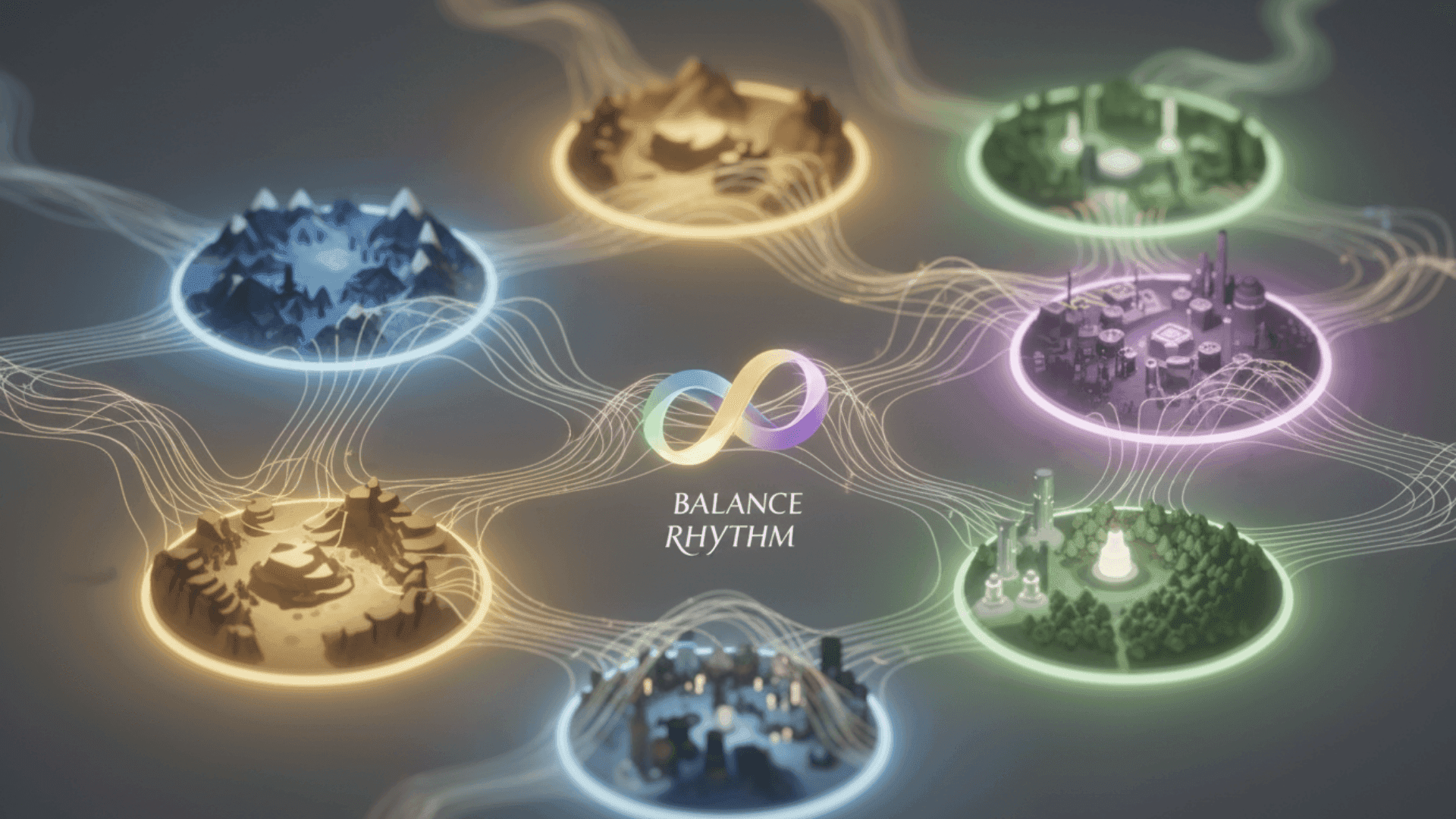
As a health indicator, CCU works best when viewed longitudinally. Healthy games tend to develop recognizable rhythms. Daily peaks. Weekly cycles. Measured responses to updates. These patterns suggest that players understand when and why they are showing up.
Unhealthy behavior is usually quieter but more disruptive over time. Erratic spikes. Rapid decay. Inconsistent recovery. These signals rarely appear as isolated events. They surface through repetition.
Used carefully, concurrency functions as an early health signal rather than a simplistic performance claim.
Boosting CCU Without Paid Ads
Not all CCU growth is driven by paid visibility. Concurrency often responds to clarity more than reach. Clear onboarding, predictable update cadence, and meaningful progression moments help players align their play sessions. When timing aligns naturally, overlap increases.
Social dynamics also play a role. Shared challenges, coordinated events, or time bound mechanics give players reasons to log in together rather than individually.
The objective is not to force activity, but to create conditions where player timing converges organically.

Real Indie Case Learnings
Across indie titles, CCU patterns often reveal more than raw sales figures. Some games show modest peaks followed by strong stabilization. These titles tend to build small but reliable communities that return consistently. Others spike dramatically and then thin out almost entirely, often because early expectations were misaligned with the actual experience.
What separates resilient cases is rarely budget or genre. It is coherence. Players understand what the game asks of them and when it is worth showing up.
These insights only become visible when CCU is observed over time rather than judged at its highest point.

FAQ What CCU Counts as Good?
- Is there a universal good CCU number?
No. CCU is always relative to genre, scope, and lifecycle stage.
- Should small games aim for constant growth?
Not necessarily. Stability often matters more than rapid expansion.
- Does low CCU mean players are leaving?
Not always. It can indicate fragmented play sessions rather than disengagement.
- How soon after launch should CCU be evaluated?
After initial volatility settles. Early days are directional, not definitive.
How to Analyze Steam CCU Behavior Using Datahumble Insights
Raw concurrency numbers rarely explain themselves. Datahumble helps teams interpret Steam CCU behavior by placing it within a broader context. Comparable titles. Genre norms. Lifecycle phases. This perspective makes it easier to understand whether observed patterns reflect healthy behavior or meaningful deviation.
Instead of reacting to daily movement, teams can evaluate shape, rhythm, and recovery across time. Datahumble supports interpretation, not prediction. It helps teams understand what concurrency behavior suggests, not what it guarantees.
Reading Concurrency With Publisher Discipline
Publishers do not chase CCU peaks. They observe how concurrency settles. When teams treat Steam CCU as a behavioral lens rather than a verdict, analysis becomes calmer and more reliable. Patterns replace panic. Context replaces reaction.
Concurrency does not declare success. It reveals how attention organizes itself. Learning to read that organization is what separates reactive monitoring from informed decision making.
Concurrency only becomes meaningful when it is placed within a broader behavioral and market context. Datahumble brings player behavior, comparative benchmarks, and lifecycle signals together, helping teams interpret CCU as part of a wider analytical picture.