
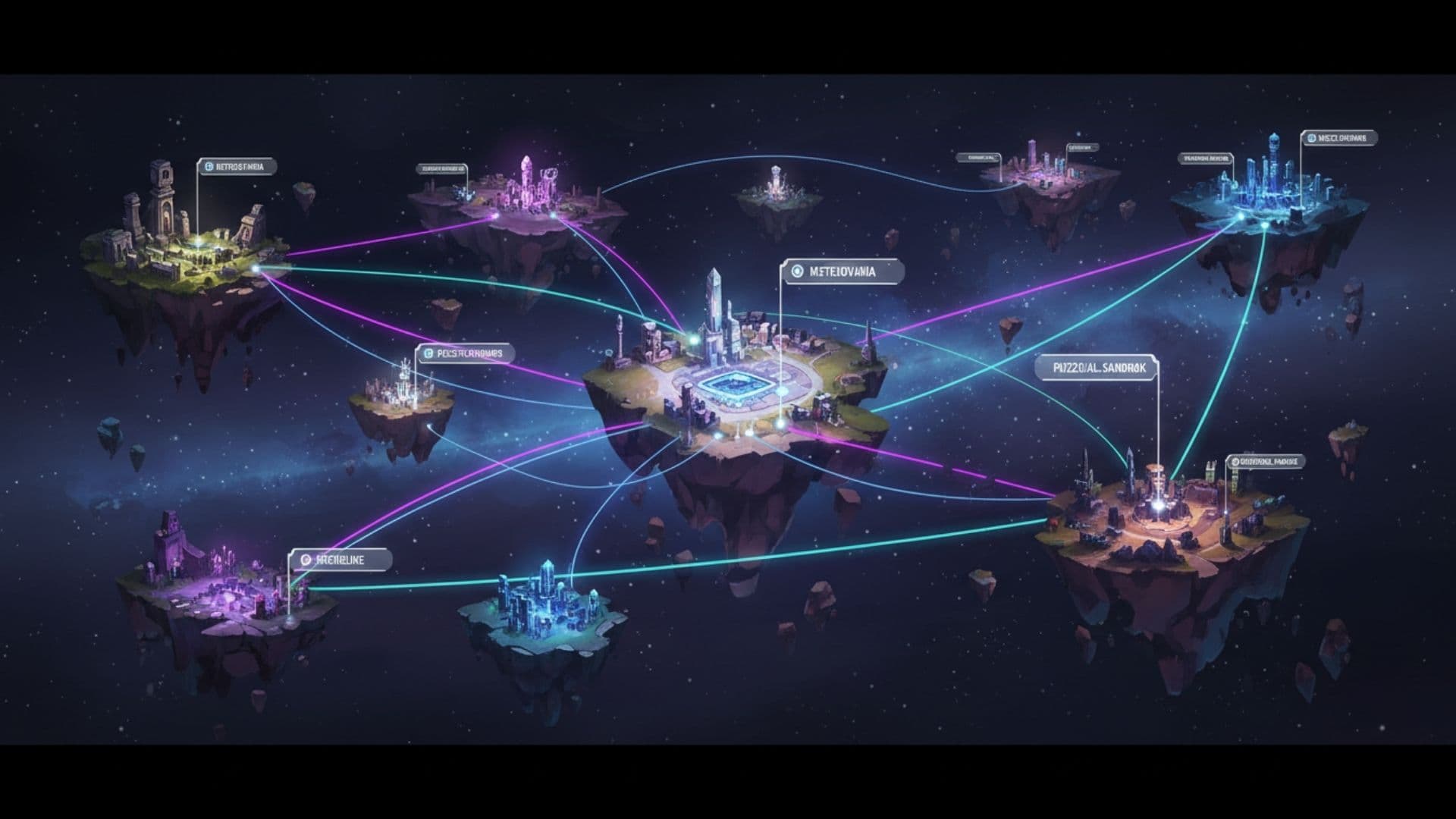
On Steam, discoverability is rarely accidental. Games surface, cluster, and ultimately compete based on how clearly Steam’s recommendation systems understand them. Among all store page variables, steam tags remain one of the most influential and most frequently misused signals.
For many developers, tagging is treated as a final checklist item, often added shortly before launch. In practice, tags actively shape how a game is categorized, which audiences encounter it, and what expectations players form before clicking. When used strategically, tagging becomes a lever for qualified visibility, not just a passive label.
This guide explains how steam tags function in 2026 and how developers can approach tagging as a positioning decision that supports visibility, click-through rate, and long-term sales quality.

Why Steam Tags Matter More Than Ever
Steam has evolved into a behavior-driven discovery platform. Recommendation queues, similarity graphs, and algorithmic surfacing increasingly rely on contextual clarity, and tags provide much of that signal.
Through tags, Steam interprets what a game is, who it should be shown to, and which other titles it belongs alongside. Well-aligned tagging helps ensure that early traffic reinforces algorithmic confidence rather than eroding it.
Tag Research Framework for Indie Developers
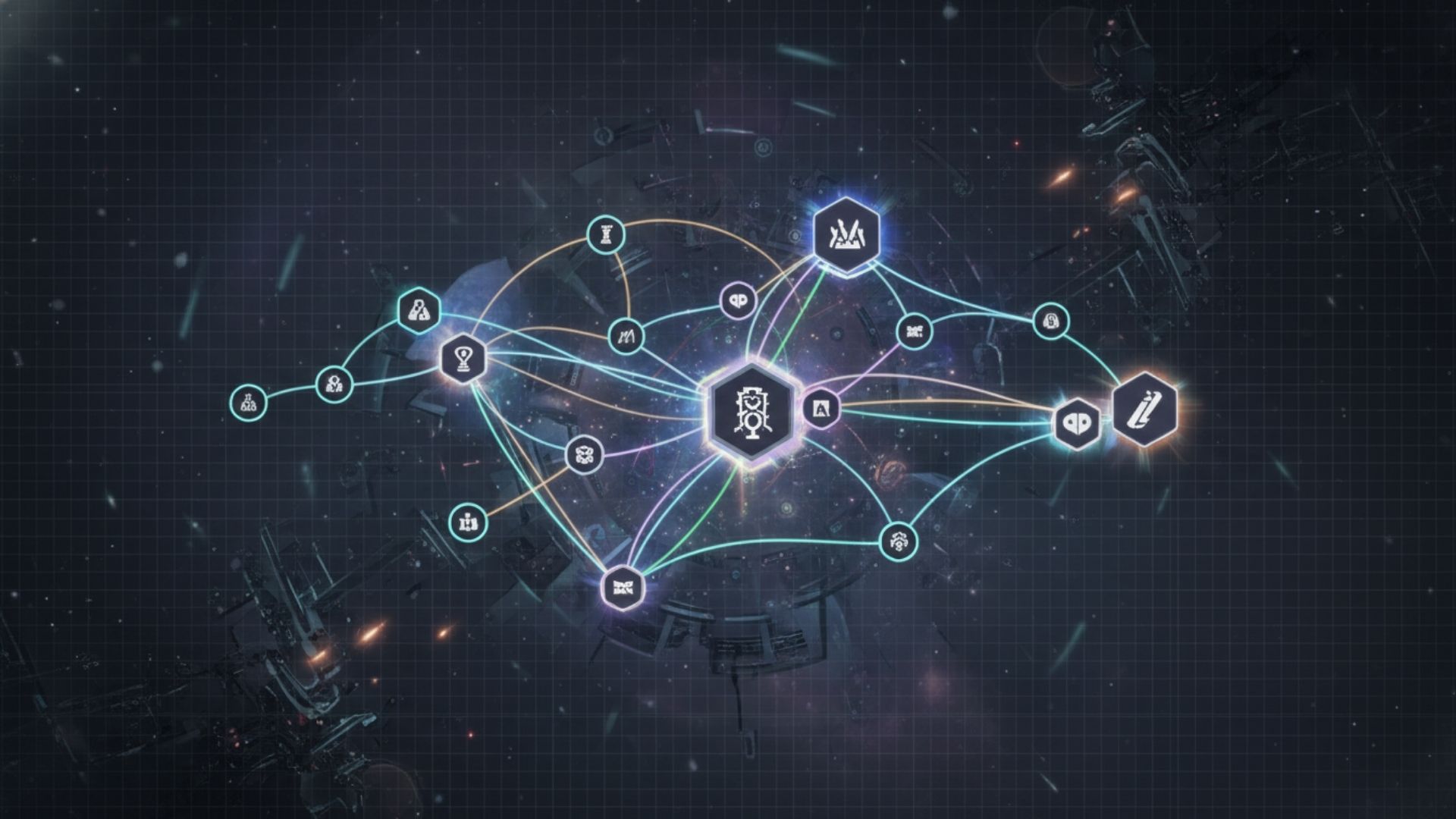
Effective tagging starts with market observation rather than self-description. Rather than defining your game from the inside out, look at how similar titles are already framed and discovered. Approaching steam tags as relational signals rather than standalone descriptors helps position a game within the right discovery ecosystem, rather than leaving it at the margins.

Niche Tags and Micro-Genre Strategy
Broad tags may feel safer, but they often place games into highly saturated pools where differentiation is minimal. Niche and micro-genre tags serve a different purpose. They reduce audience size but increase intent alignment.
Players navigating narrower discovery paths tend to have clearer expectations and stronger engagement. That alignment improves click behavior and downstream performance. Strategic use of niche tags does not limit growth; it qualifies it.
A smaller, well-matched audience consistently outperforms a larger but misaligned one. Here, tagging functions less as an amplification tool and more as a filtering mechanism.

Seasonal and Trend-Based Tagging
Tags don’t remain static over time. Player interest shifts with seasons, cultural moments, and emerging mechanics. Some descriptors gain relevance during major sales periods or thematic events. Others rise as hybrid genres and new play patterns gain traction.
Seasonal awareness does not mean trend chasing. It means recognizing when descriptors naturally align with how players are behaving in the moment. Adjusting tags within this context allows developers to stay relevant without compromising the game’s core identity.

How Tags Influence Visibility and Click-Through Rate
Tags affect visibility before a player reads a description or watches a trailer. They determine which recommendation sets a game enters and which titles it is compared against.
Just as importantly, they shape player expectations. When players encounter a game alongside experiences they already enjoy, trust increases. When tags misrepresent the experience, clicks may still occur, but retention and reviews often suffer.
Well-aligned steam tags improve click-through rate through clarity, not exaggeration. Clear expectations reduce friction and support healthier conversion patterns.

Data-Driven Tag Optimization Experiments
Tagging works best when treated as an iterative variable rather than a fixed decision. Small adjustments can meaningfully shift positioning.
Replacing a broad tag with a more precise alternative, reordering tags to emphasize intent, or removing descriptors that attract mismatched traffic can all influence how a game is categorized internally. Monitoring changes in impressions, wishlist additions, and traffic quality helps identify which configurations perform best.
FAQ: How Many Tags and When to Update Them?
- How many tags should a game use?
There is no advantage to maximizing tag count. Relevance matters more than volume. A focused set of accurate tags consistently outperforms a long list of loosely related ones.
- When should tags be updated?
Tags should be reviewed when meaningful changes occur. This includes major updates, shifts in player behavior, new content additions, or noticeable changes in traffic quality. Updating tags without context rarely helps, but informed adjustments can improve alignment.
- Can changing tags hurt visibility?
Poorly considered changes can disrupt existing positioning. This is why updates should be data-informed and incremental rather than reactive.

Turning Tagging Into a Strategic Advantage
Tagging is not a cosmetic task. It is a structural decision that shapes how a game competes on Steam. Developers who approach steam tags with the same rigor they apply to pricing or launch timing gain a measurable advantage in visibility and sales quality. Data does not replace creative judgment, but it provides context. When tags are chosen with intention and validated through performance, they become a lever for sustainable discoverability rather than a last-minute formality.
If you want to understand how tags perform across genres, how similar games position themselves, and which combinations actually drive visibility, Datahumble’s analytics tools can help transform tagging from intuition into strategy.