

On Steam, attention is rarely static. Games launch, peak, stabilize, and eventually fade or find a second life. While reviews and wishlists capture sentiment, Steam player count reflects something more immediate: how many players are choosing to spend time in a game at any given moment.
For teams trying to understand a game’s lifecycle, this metric acts as an early signal. It does not explain motivation on its own, but it reveals patterns of engagement that are difficult to see elsewhere. When observed over time, these patterns help teams distinguish between temporary noise and structural change.
This guide looks at what Steam player count trends reveal about momentum, risk, and long term performance across different stages of a game’s lifecycle.

Why Player Count Is the New Market Pulse
Player count functions as a live indicator of market response. It reflects collective behavior rather than stated opinion. Players log in, stay, or leave based on how the experience aligns with expectations in that moment.
Unlike reviews, which arrive after an experience is complete, player count shifts while decisions are still unfolding. A stable curve often suggests alignment between promise and delivery. Abrupt changes can indicate friction, fatigue, or competition pulling attention elsewhere.
In this context, the metric becomes less about absolute scale and more about direction.
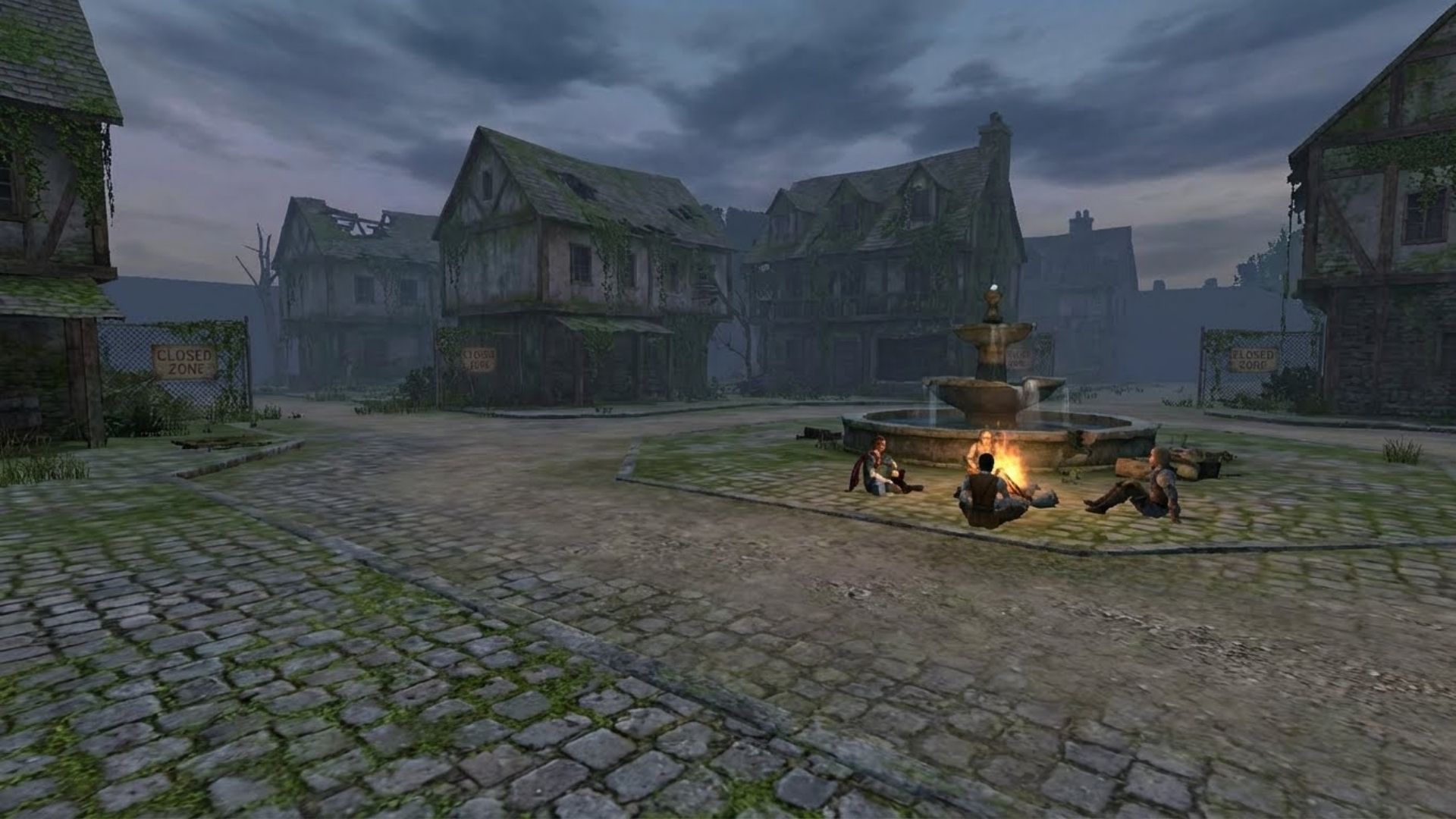
Daily and Monthly Patterns Across the Steam Ecosystem
Short term and long term trends reveal different layers of player behavior.
Daily fluctuations tend to reflect routine behavior. Time of day, weekends, and content updates all influence when players show up. These patterns help teams understand habitual engagement.
Monthly trends reveal lifecycle health. Gradual declines often signal natural saturation or completion. Sharper drops may point to unmet expectations or external pressure from new releases. By observing how short term movement feeds into longer arcs, teams gain clarity on whether a change is temporary or structural.
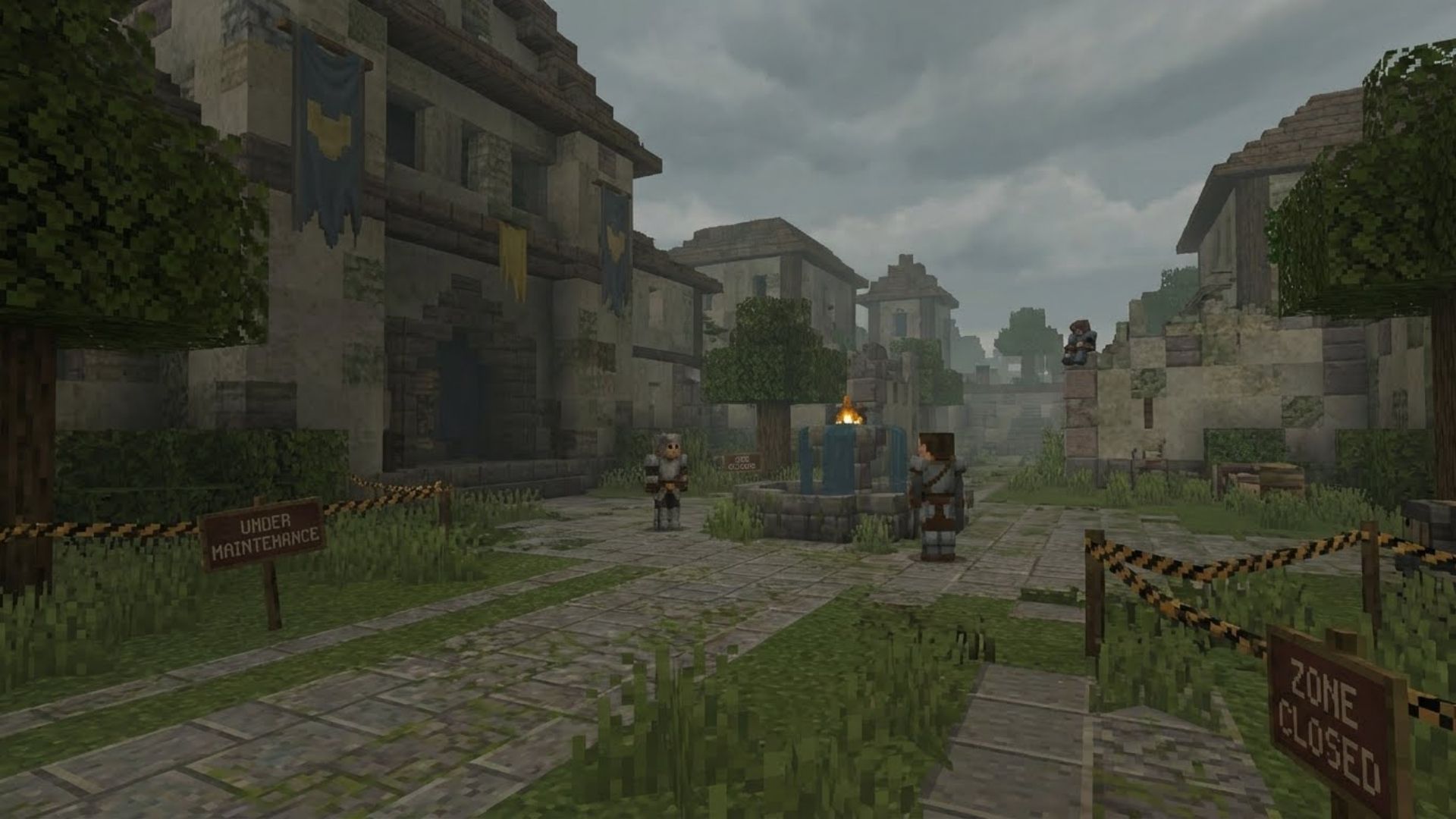
How Steam Player Count Drop-Off Anticipates Revenue Shifts
Revenue rarely changes without warning. In many cases, movement in active player participation appears before shifts become visible in sales data.
When active participation declines, fewer players engage with updates, systems, or broader community momentum.
The key is not reacting to every dip, but recognizing repeated patterns. Consistent decline over similar periods often indicates a transition into a new lifecycle phase, where revenue behavior begins to change alongside engagement.
Many of these early declines do not start after launch. They are often shaped much earlier by positioning decisions made during the Steam Direct process, including store page readiness, timing, and initial visibility conditions.

Genre Based Player Count Behaviors
Engagement trends vary widely by genre, and interpreting them without context can be misleading.
Competitive titles often show sharper peaks and faster normalization as novelty fades and skill gaps emerge. Role playing games tend to sustain longer engagement, shaped by progression depth and narrative completion. Cooperative games frequently fluctuate based on shared schedules and group coordination rather than individual motivation.
Understanding these genre norms helps teams evaluate whether a trend is concerning or expected. Healthy behavior looks different depending on how and why players engage.
Spotting Early Signals Before They Become Obvious
Single data points rarely tell the full story. Patterns emerge when behavior is observed over time and compared with similar titles.
Early signals often appear as subtle changes in slope rather than dramatic drops. A slowdown in recovery after updates, shorter engagement windows, or weaker stabilization can all indicate underlying issues before they surface elsewhere.
Interpreting these trends in context allows teams to respond thoughtfully rather than reactively.
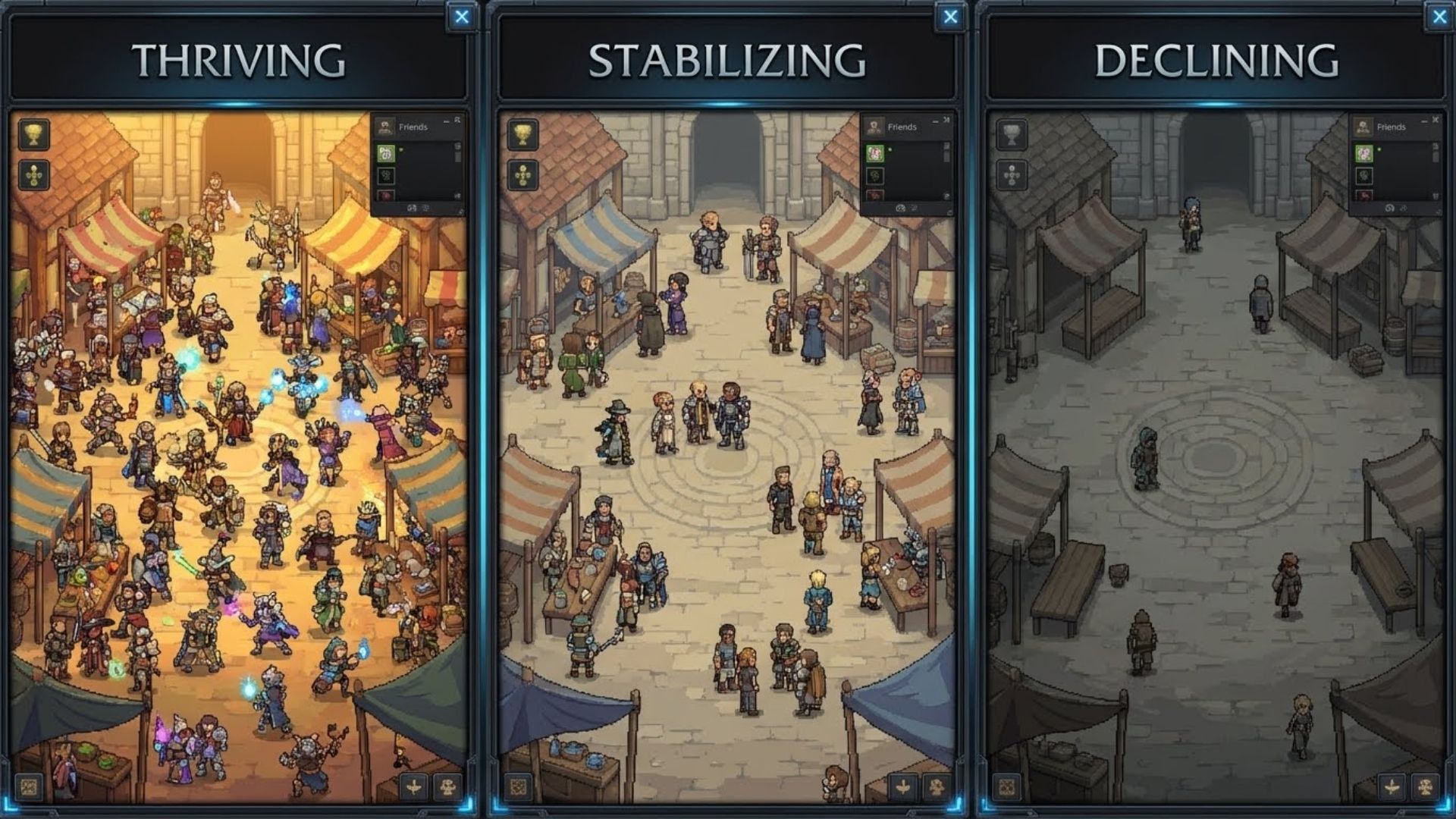
Benchmarking Steam Player Count Within Your Competitive Set
Player count becomes more meaningful when viewed relative to comparable games.
Benchmarking helps teams understand whether a decline is faster than typical for the genre, whether stabilization aligns with market norms, or whether recovery patterns mirror successful peers. The goal is not to chase another game’s peak, but to understand performance within the same competitive landscape.
This perspective reduces overreaction and supports more grounded decision making.
FAQ: What Is a Healthy Player Count Curve?
- Is a declining player count always a problem?
Not necessarily. Many games decline naturally after launch. What matters is whether the curve stabilizes or continues without leveling.
- Should teams act immediately when numbers drop?
Immediate action is rarely useful. Repeated patterns over time provide stronger guidance than isolated changes.
- Can player count recover after decline?
Recovery is possible, especially when supported by meaningful updates or repositioning. Past behavior often helps indicate whether recovery is realistic.
Reading Game Lifecycles Through Player Behavior
Steam player count does not explain intent, but it reveals choice. Players return, linger, or leave based on their experience. When those decisions are observed collectively, lifecycle patterns emerge.
By studying Steam player count trends with context and restraint, teams gain a clearer view of how their game moves through the market. This understanding supports better planning, more realistic expectations, and calmer decision making over time.
Datahumble provides the context teams need by placing player behavior alongside genre benchmarks and historical patterns. If you want to understand where your game stands in its lifecycle and what those signals really mean, Datahumble provides the context needed to move from observation to insight.