

Pricing on Steam is rarely a single decision. It is a sequence shaped by timing, recovery, and repetition. Each discount, each return to base price, and each regional adjustment contributes to how players interpret value over time.
What is often overlooked is memory. Players remember when a game discounted, how deep that discount was, and how frequently it happened. Over time, these memories shape expectations more strongly than any individual sale. At that point, historical pricing becomes more than a record. It becomes a behavioral signal.
This guide examines how historical price movement influences player expectations, how discount patterns shape long term value perception, and how teams can use a steam price history tracker to time discounts with greater clarity rather than guesswork.

Competitor Price Monitoring
Pricing is never read in isolation. Players evaluate value relative to surrounding options, even when comparison is not explicit. Competitor pricing establishes a reference range that frames whether a discount feels generous, expected, or irrelevant.
Observing competitor price movement over time reveals patterns that snapshots miss. Some games discount often but recover quickly. Others hold prices steady and adjust rarely. These approaches condition player expectations in very different ways.
Understanding where a game sits within that competitive pricing landscape helps teams avoid reactive decisions driven by short term pressure rather than structural insight.
Seasonal Discount Opportunity Spots
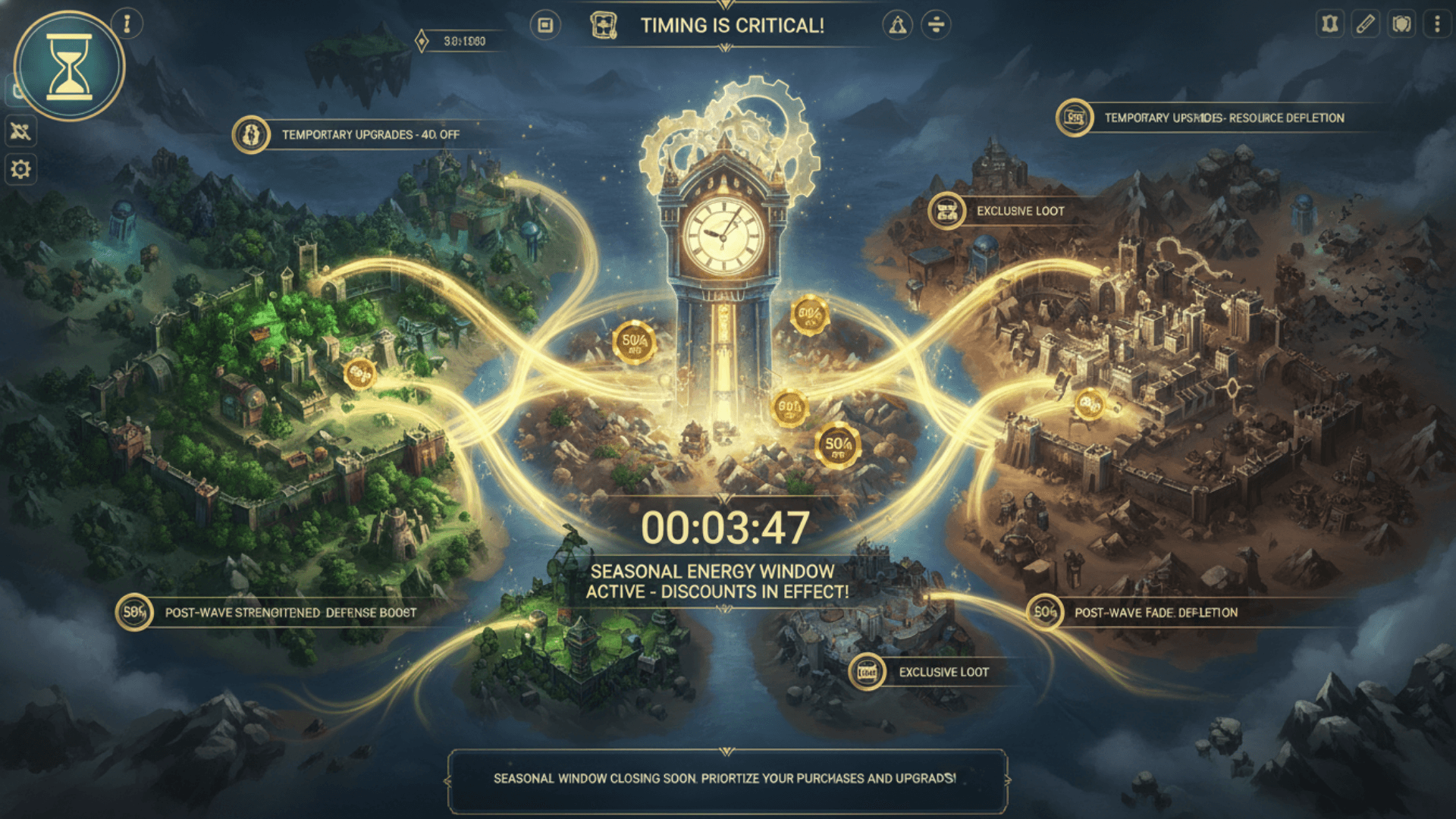
Seasonal sales are predictable. Their impact is not. The same event can amplify a discount for one title while barely affecting another. The difference usually lies in what players have learned to expect during that period.
Historical pricing patterns show whether previous seasonal discounts built lasting momentum or produced only brief spikes. They also highlight moments where restraint preserved value more effectively than participation.
Identifying opportunity spots means recognizing when a discount reinforces perceived value instead of weakening it.

Regional Sensitivity Analysis
Price sensitivity varies significantly by region, but rarely in uniform ways.
In some markets, small adjustments meaningfully influence behavior. In others, deeper changes are required to shift engagement. Historical pricing data helps teams see where price movement mattered and where it had limited effect.
Looking at regional behavior across multiple pricing cycles prevents decisions based on averages alone. It allows pricing strategy to reflect local perception rather than global assumption.

Elasticity vs Conversion Outcomes
Responsiveness to price change does not automatically equal success. A discount may increase store page visits without leading to sustained engagement. Another may convert fewer players initially but attract those more likely to stay. Elasticity describes reaction. Conversion outcomes reveal quality.
Evaluating both together helps teams distinguish between attention driven responses and meaningful acquisition. This distinction only becomes clear when pricing behavior is observed across repeated cycles rather than isolated events.
Over Discounting Risk Zones
Over discounting rarely causes immediate harm. Its effects tend to accumulate quietly. Players begin to wait. Full price loses credibility. Discounts stop feeling special.
These shifts are not triggered by a single sale, but by repeated behavior over time. A steam price history tracker helps teams identify when they are entering these risk zones by revealing how often discounts occur, how deep they go, and whether price recovery weakens with each cycle. Similar long-term patterns can be observed in player participation data, where gradual shifts often signal lifecycle transitions before they become obvious.
The warning signs are gradual, not dramatic.
FAQ: How Often Should You Change Price?
- Is frequent discounting always harmful?
Not always. Impact depends on consistency, depth, and how pricing recovers afterward.
- Do small discounts still influence behavior?
They can, particularly when aligned with updates or visibility moments.
- Can a game recover from aggressive early discounts?
Sometimes. Recovery usually depends on whether later pricing establishes a new and stable reference point.
- Should pricing strategy evolve after launch?
Often, but only once repeated patterns are visible rather than one time reactions.
See How Competitor Price Changes Affect Your Game Datahumble Insights
Understanding price history requires more than seeing past discounts. It requires placing those changes within a broader competitive and behavioral frame.
Datahumble’s Steam market analytics platform brings pricing timelines together with competitor behavior, regional response, and long term engagement context, allowing teams to evaluate discount strategy as part of a wider market system rather than isolated events.