
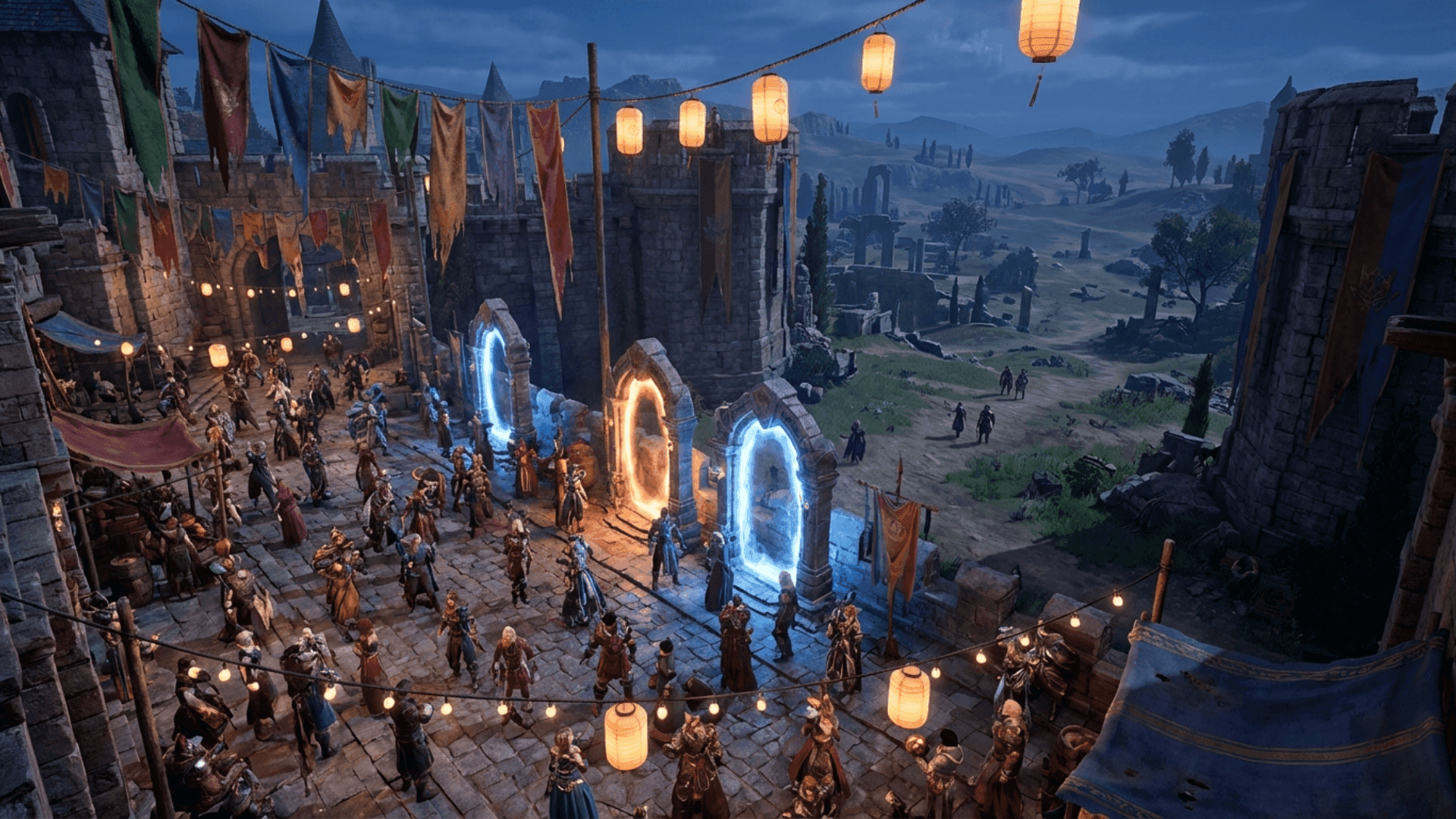
Live operations often feel like forward motion. New events launch. Limited content rotates in. Seasonal rewards refresh attention. Dashboards respond quickly. For a moment, participation appears energized. But motion is not the same as growth.
Game live ops is frequently framed as a volume strategy. More updates. More time limited events. More reasons to log in. Yet growth depends less on frequency and more on alignment. When live operations reinforce the core loop, deepen progression, and respect player rhythm, they strengthen stability. When they fragment attention or overload cadence, they dilute impact.
This guide examines live ops as a behavioral system rather than a calendar of events. It explores when live operations reinforce durable engagement and when they simply accelerate volatility.
Why Live Ops Is More Than Content Drops
Game live ops is not just about shipping new content. It is about shaping behavioral rhythm. A content drop introduces novelty. Live operations create expectation. Players begin to anticipate when updates arrive, how long events last, and whether participation feels rewarding rather than obligatory. Over time, these expectations shape login patterns and retention curves.
When live ops is treated purely as output, teams optimize for activity spikes. When it is treated as a behavioral framework, teams optimize for stability. The difference becomes visible not during the event window, but in how players behave once novelty fades.
Effective live operations reinforce clarity. Players understand why they should return and what their time investment produces. Ineffective live ops increases surface movement without deepening commitment.
Short Term Engagement vs Sustained Player Return
Event weeks often produce visible lifts. Daily activity rises. Concurrency responds. In game purchases may increase temporarily. These signals are real, but they are not self validating. Short term engagement reflects responsiveness. Sustained player return reflects alignment.
If new participation stabilizes above previous baselines after an event concludes, the update has strengthened integration. If activity collapses quickly, the engagement was situational rather than structural. Game live ops should be evaluated across normalization windows, not peak days. Growth is measured in what remains once the event banner disappears.
If you want to measure whether engagement sustains beyond event volatility, explore our analysis on active players as a longevity indicator.
When Live Ops Creates Noise Instead of Value
More events can increase noise. Overlapping challenges, layered reward systems, and constant limited time offers can fragment attention. Players may log in out of fear of missing out rather than intrinsic motivation. This behavior can inflate metrics while quietly weakening long term attachment.
Noise often appears as compressed sessions. Players complete minimal objectives, collect rewards, and exit quickly. Participation is technically present, but depth erodes. When game live ops becomes a cycle of urgency rather than coherence, value thins. Activity persists. Meaning declines.
Update Frequency and Player Fatigue Signals
Frequency is powerful but delicate. Frequent updates can signal vitality. They demonstrate that a game is active and responsive. However, excessive cadence can create fatigue. Players struggle to keep up. Progression feels reset before it matures. Community conversations shift from excitement to exhaustion.
Fatigue signals appear gradually. Session duration shortens. Return intervals widen. Event completion rates decline across cohorts. These shifts rarely trigger immediate alarms, but over time they reshape retention.
Live operations succeed when cadence matches player capacity. Growth does not accelerate simply because updates multiply. Fatigue rarely appears in a single metric. In our Steam Game Stats Deep Dive, we examine how session depth, return intervals, and completion rates reveal early strain.
Live Ops Timing Across Different Game Lifecycles
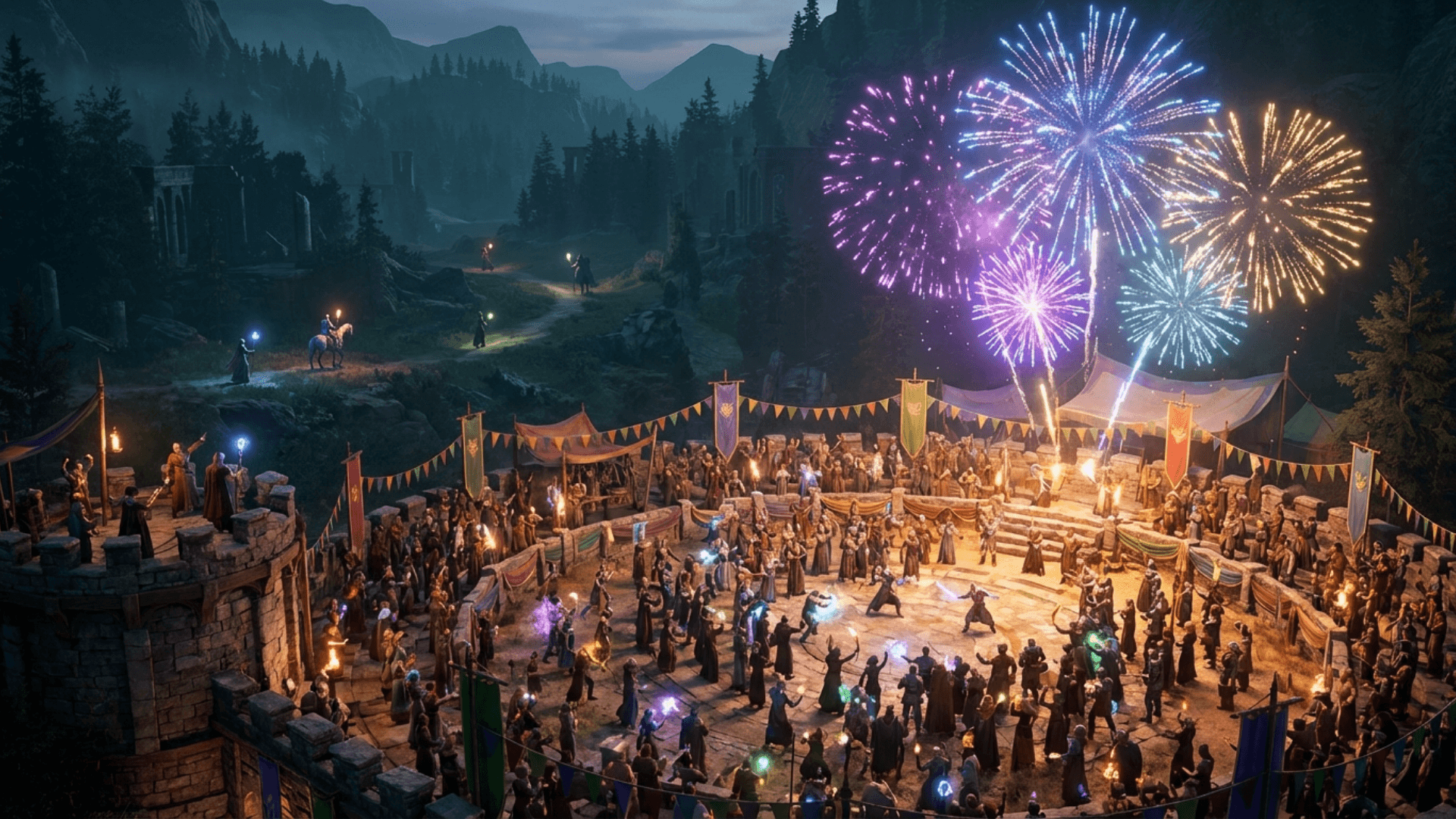
Lifecycle stage changes interpretation. New releases may benefit from concentrated live operations that reinforce early community formation. Established titles often require steadier cadence that respects habitual engagement. Late stage products may rely on selective events that re energize specific segments rather than broad audiences.
Applying identical live ops intensity across lifecycle phases can distort performance. Early games risk overwhelming new players. Mature games risk saturating committed ones.
Evaluating game live ops without lifecycle context leads to overcorrection. Timing shapes impact as much as content. To understand how lifecycle transitions reshape live ops effectiveness, see our study on Steam Player Count Trends.
Behavioral Shifts After Events and Limited Content
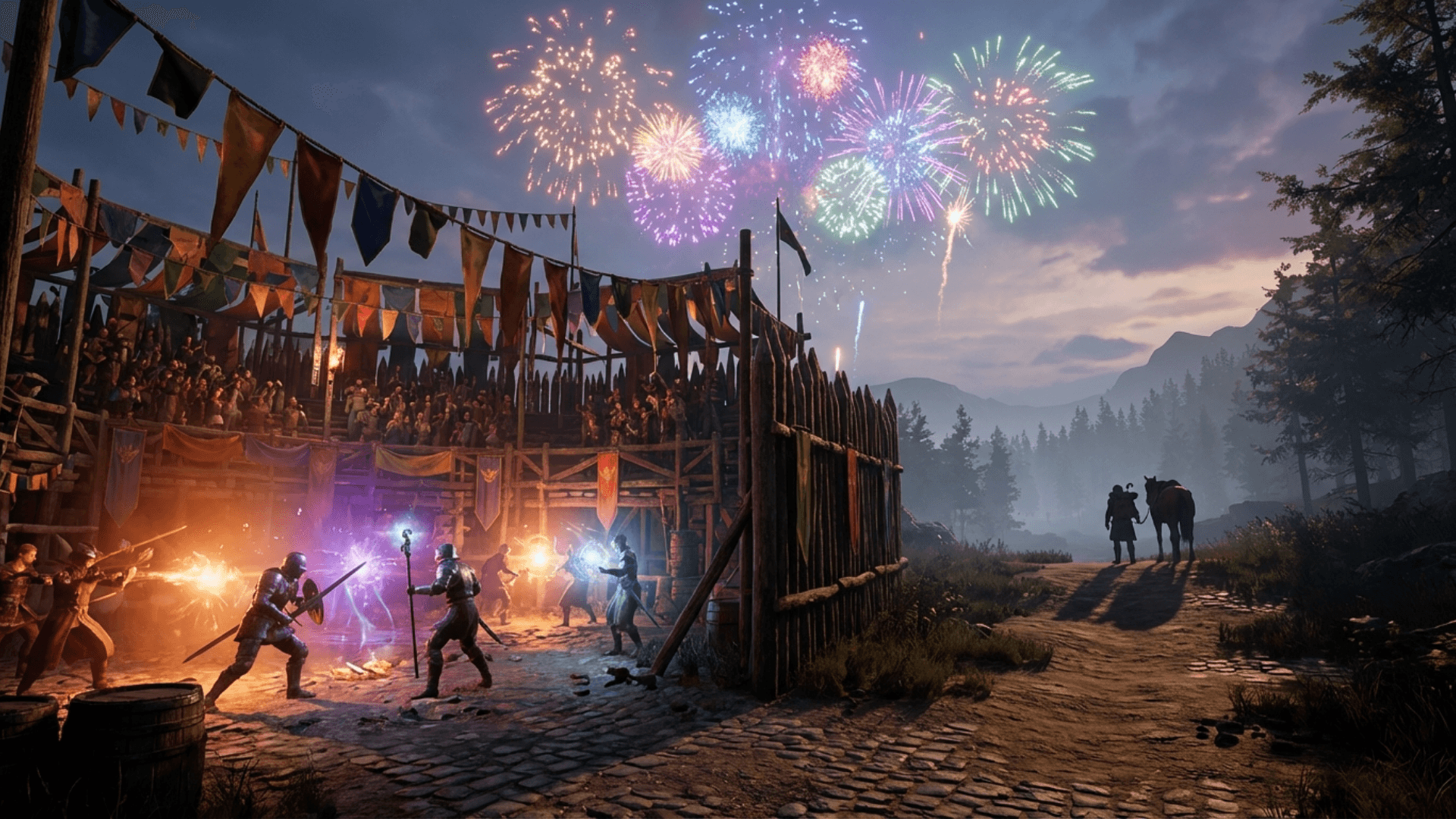
Events temporarily reorganize player behavior. Limited modes alter login timing. Exclusive rewards shift priorities. The crucial question is whether those behavioral changes persist.
Do new players continue returning once limited content expires. Does session depth remain stable. Do returning cohorts integrate into core progression loops rather than hovering around event mechanics.
Sustainable live operations strengthen the core. Unsustainable live operations create isolated spikes that leave no residue. Behavior after the event tells the story more clearly than behavior during it.
When Live Ops Masks Deeper Retention Issues
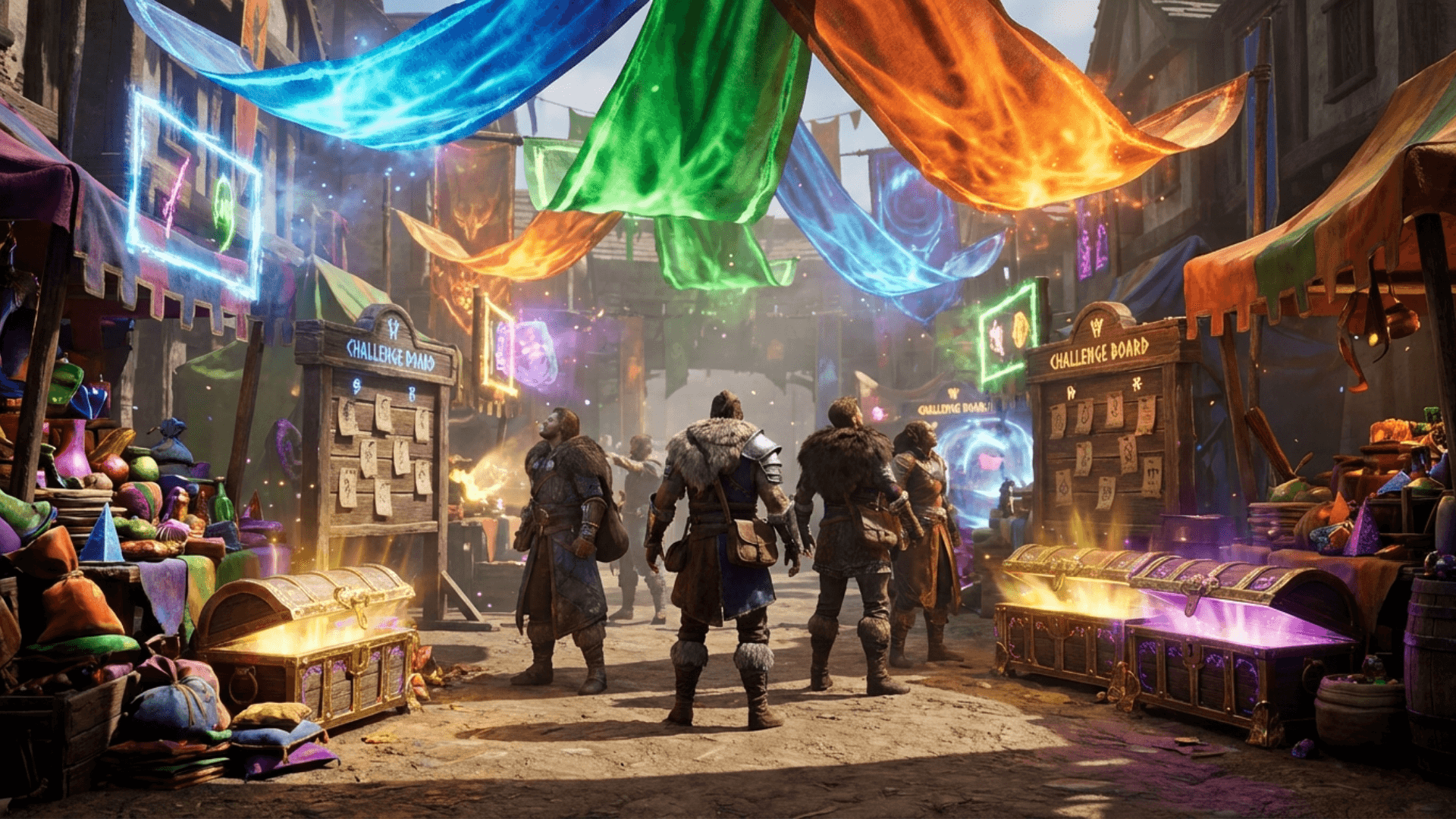
Live operations can conceal structural problems. A declining retention curve may temporarily flatten during a high visibility event. Participation rises. Friction appears reduced. Once the event ends, underlying issues resurface. If onboarding clarity, progression pacing, or core loop satisfaction remain unresolved, additional events will not repair the foundation. They will postpone recognition.
Game live ops should complement retention strength, not compensate for its absence. When live operations repeatedly produce short recoveries followed by sharper declines, the issue is rarely content scarcity. It is structural alignment. When retention curves flatten temporarily during events, deeper cohort analysis becomes essential. Our guide on retention and review behavior patterns explains how to separate recovery from illusion.
FAQ Can Live Ops Revive a Declining Game
- Can frequent events reverse player decline?
Sometimes, but only when they address underlying friction rather than distract from it.
- Is higher update frequency always positive?
No. Excessive cadence can create fatigue and compress engagement depth.
- How long should post event behavior be observed?
Long enough to confirm stabilization beyond the initial spike.
- Can smaller updates be more effective than major events?
Yes. Consistency and clarity often outperform scale.
Datahumble Exposes What Live Ops Changes and What It Doesn’t
Surface metrics react quickly to live operations. True behavioral shifts emerge more slowly. Datahumble evaluates game live ops through cohort retention, session depth, lifecycle benchmarks, and concurrency stabilization patterns. Instead of reacting to peak engagement, teams can assess whether events strengthen integration or simply amplify volatility.
Growth does not come from doing more. It comes from understandingwhat actually changes player behavior.