

Visibility through gaming influencers can feel decisive. A creator streams the game. Views climb quickly. Chat moves fast. Clips circulate. For a brief window, attention appears concentrated and measurable.
But attention is not adoption. Influencer exposure introduces a game to an audience. It does not automatically convert that audience into players. The difference between views and sustained participation often defines whether a campaign creates momentum or simply a temporary spike. Understanding that gap requires looking beyond impressions and into behavior.
This guide explores how gaming influencers affect visibility, where interpretation commonly goes wrong, and how to evaluate influencer impact with discipline rather than excitement.

Why Influencer Exposure Rarely Translates Directly to Growth
Influencer campaigns generate visibility layers. First awareness, then curiosity, then evaluation. Growth only occurs if evaluation leads to alignment.
A viewer may watch a full stream without ever intending to purchase. Entertainment value and gameplay appeal are not always identical. Some titles perform better as viewing experiences than as personal play experiences. Others require hands on engagement to fully resonate.
When gaming influencers introduce a game, they are amplifying exposure, not guaranteeing conversion. Growth depends on whether the audience sees themselves inside the experience, not just watching it.
Conversion happens when expectation matches reality. Exposure alone cannot create that match.
Short Bursts of Attention vs Lasting Player Interest
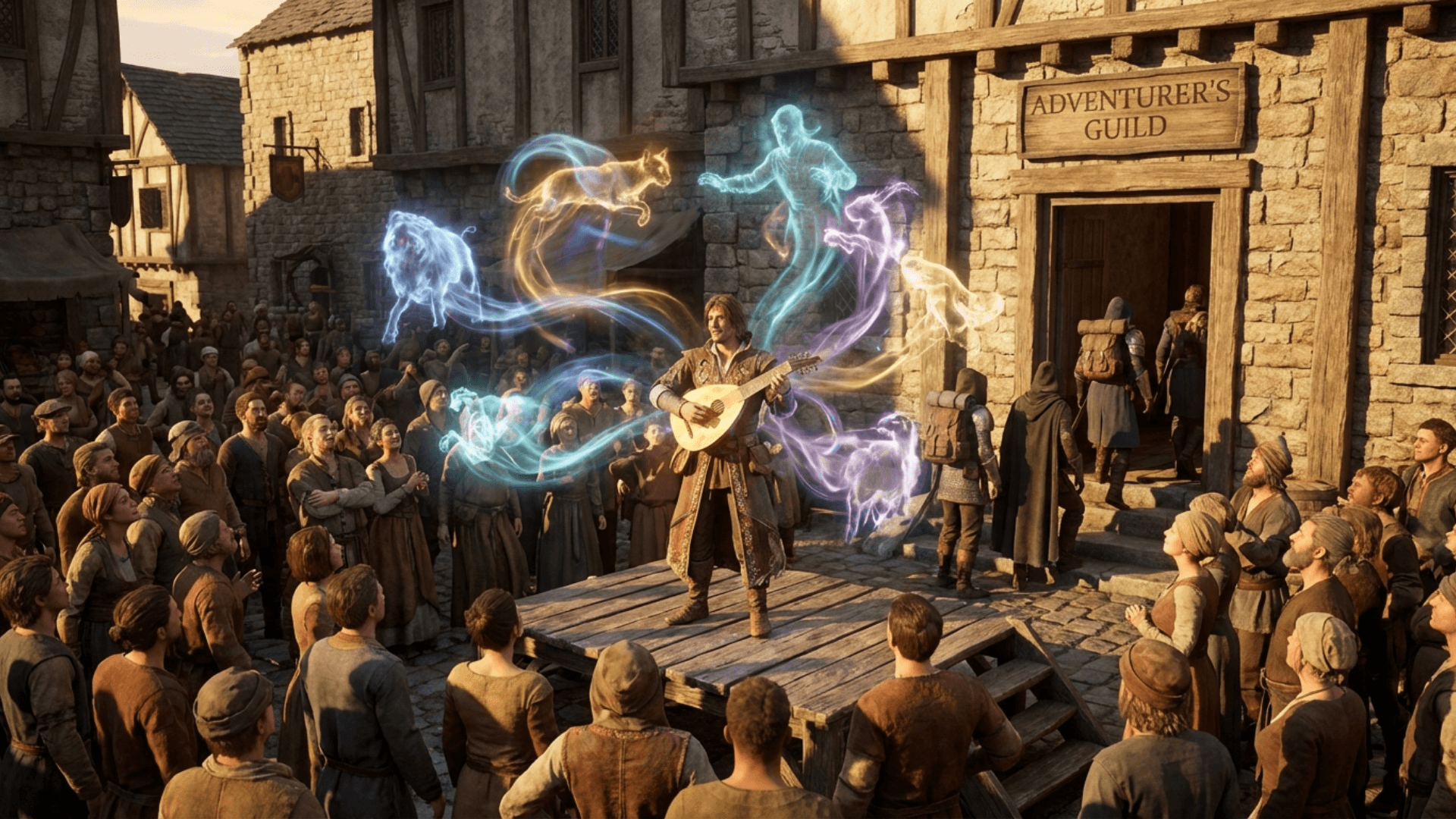
Influencer driven attention often arrives in compressed bursts. Traffic spikes. Wishlist additions increase. Concurrent players rise during or immediately after the broadcast.
The critical question is what remains once the stream ends. If engagement stabilizes above previous baselines, interest may be forming. If metrics revert quickly, the campaign likely generated sampling rather than sustained demand.
Lasting player interest shows up through repetition. Return sessions. Stable concurrency. Continued wishlist velocity. Short bursts of attention create noise. Enduring behavior creates trajectory.
Gaming influencers can trigger discovery. Only aligned gameplay can maintain participation.

Audience Mismatch and the Illusion of Success
Not all influencer audiences align with every game. A creator known for fast paced competitive titles may generate large viewership for a slower narrative driven game. The stream performs well. Chat is active. Clips circulate. Conversion may still underperform. Audience mismatch is subtle because surface metrics look strong. High views can conceal weak overlap between viewer expectations and actual player intent. When the creator’s community values spectacle over immersion, or chaos over depth, alignment suffers.
The illusion of success emerges when teams interpret views as validation. Without examining post exposure behavior, it is impossible to know whether interest translated into genuine demand.
Instead of prioritizing surface reach, teams should evaluate behavioral alignment before collaboration. Our Streamer Database Goldmine guide explains how to identify creators whose audiences convert, not just watch.
When Influencer Traffic Skews Early Metrics
Influencer traffic can distort early performance readings. Concurrent players spike. Wishlist numbers jump. Store page visits accelerate. These signals are useful, but they are not neutral. They reflect amplified exposure, not organic discovery.
If early metrics are interpreted without separating influencer driven cohorts from organic cohorts, teams may misread demand strength. A spike driven by a single creator can appear identical to platform momentum unless contextualized.
The shape of the curve after exposure matters more than the peak during it. Stabilization indicates alignment. Sharp reversion suggests curiosity without commitment. Teams that rely only on peak traffic often overlook structural health indicators. If you want to understand why concurrency stabilization matters more than spike magnitude, explore our guide on Steam Concurrent Players and how sustained CCU signals long-term game health.
Timing Influencer Campaigns Within the Game Lifecycle
The effectiveness of gaming influencers depends heavily on lifecycle timing. During early development, influencer exposure can validate concept resonance and reveal expectation gaps. Pre launch campaigns can accelerate wishlist accumulation if store clarity supports conversion. Post launch collaborations can reintroduce a title to new audiences or support major updates.
Poor timing weakens impact. Influencer attention before the store page is optimized wastes visibility. Exposure after momentum has already declined structurally may produce limited recovery. Influencer campaigns should reinforce lifecycle strategy rather than substitute for it.

Genre Fit and Influencer Effectiveness
Some genres naturally align with streaming dynamics. Competitive multiplayer titles create suspense and shared tension. Survival games generate unpredictable moments. Sandbox systems produce emergent humor.
Other genres convert differently. Strategy, narrative heavy, or slow paced experiences may not generate explosive viewing numbers but can still convert deeply if the audience is aligned.
Evaluating gaming influencers requires understanding not only their reach but their genre fit. A smaller creator with highly aligned audience behavior can outperform a larger one with weak overlap. Fit often matters more than scale.
Reading Post Influencer Player Behavior
The most reliable signals appear after exposure.
- Do new players return beyond the first session?
- Does concurrency stabilize across comparable windows?
- Does wishlist conversion maintain consistency?
- Do engagement patterns resemble those of organically acquired players?
When influencer cohorts integrate into broader engagement rhythms, impact is structural. When their behavior compresses into a short window, the effect was situational. Influencer-driven cohorts often behave differently from organic demand curves. To see how player count trajectories reveal lifecycle transitions, read our analysis on Steam Player Count Trends and what those shifts really mean for studios.
Gaming influencers create visibility events. Interpretation requires observing behavioral continuation.
FAQ Do Gaming Influencers Improve Long Term Performance
- Do gaming influencers guarantee sustained growth?
No. They amplify visibility, but retention and gameplay depth determine durability.
- Should teams prioritize creators with the highest view counts?
Not necessarily. Audience alignment and genre fit often outweigh raw scale.
- Can weak influencer campaigns harm perception?
Only if expectation gaps are large. Misaligned exposure may accelerate evaluation without supporting engagement.
- How long should post campaign performance be observed?
Long enough to confirm stabilization beyond the initial exposure window.
Datahumble Reveals the Real Signals Behind Influencer Impact
Raw view counts and traffic spikes describe activity. They do not explain outcome.
Datahumble evaluates gaming influencers within lifecycle stage, genre benchmarks, concurrency behavior, and cohort stabilization patterns. Instead of reacting to exposure peaks, teams can assess whether influencer driven players behave like committed participants or short term observers.
The objective is not to chase attention. It is to understand how attention transforms into participation. When the hidden gap between views and players is read clearly, influencer campaigns shift from spectacle to strategy. If you want to evaluate influencer impact beyond surface metrics, explore how Datahumble’s analytics platform maps exposure to real behavioral continuation.