

Most studios do not fail because they lack information. They fail because they track the wrong signals for too long. Steam provides a wide range of data, but only a small subset of steam metrics consistently supports real product and growth decisions.
This guide focuses on metrics that reflect player behavior across the full lifecycle of a game, from first exposure to sustained engagement.

Vanity Metrics Developers Obsess Over (Wrongly)
Vanity metrics are not incorrect, but they are often misleading when viewed in isolation. Large totals can grow without any change in player behavior. They describe exposure, not engagement.
Metrics that are easy to celebrate are often the hardest to act on. When a number cannot inform a concrete decision, it slowly turns into background noise. Teams that rely too heavily on surface-level steam metrics often recognize issues only after deeper behavioral signals have already changed.
What matters is not how large a metric is, but whether its movement explains something about player choice.

Core Funnel: Discovery → Wishlist → Conversion
The Steam funnel is simple in structure but complex in behavior. Discovery introduces the game, wishlists reflect intent, and conversion reflects commitment under real conditions.
The real value lies in how players move between these stages. Breaks in the funnel often indicate expectation gaps rather than marketing shortcomings. High discovery with weak wishlist behavior can signal unclear positioning. Strong wishlist accumulation with weak conversion can suggest misaligned promise or timing issues.
When interpreted together, funnel transitions provide clearer insight than any single metric alone. Conversion completes the funnel, but post purchase behavior begins immediately. Early CCU and return patterns often reveal whether conversion reflected curiosity or genuine alignment.

Success KPI Framework for 2026
A KPI framework should reduce uncertainty, not add more numbers to monitor. The most effective KPIs tend to explain change rather than merely report it.
Effective KPIs help teams answer three recurring questions. Why players arrive. Why they stay. Why they return. Steam metrics that consistently contribute to these answers remain relevant even as market conditions change.
KPIs lose value when they are tracked without intent. Their purpose is direction, not documentation.
In practice, the most durable KPIs tend to cluster around three behavioral signals: concurrency, return frequency, and retention depth. Metrics like CCU reveal how attention concentrates in real time. DAU and MAU patterns show whether that attention turns into habit. Retention clarifies whether early engagement stabilizes or quietly erodes.
These signals do not predict outcomes on their own, but together they help teams understand how player behavior evolves across the lifecycle.

Steam Metrics: Page CTR and Capsule Impact
Page CTR and capsule performance are often treated as marketing concerns, but they directly influence player expectations. These metrics reflect how clearly the game sets expectations before any interaction begins.
A strong capsule may increase page visits, but if CTR improvements do not translate into wishlist or conversion movement, the issue is rarely visibility alone. It often points to a mismatch between presentation and gameplay reality. Among steam metrics, page level behavior is most useful when read as a signal of expectation alignment rather than traffic efficiency alone.
Datahumble Metric Tracking System
Tracking metrics individually increases the risk of misinterpretation. Context is what turns data into insight.
Datahumble’s metric tracking system is designed to surface relationships between signals rather than isolated values. By aligning funnel movement, engagement patterns, and comparative context in a single analytical flow, teams can focus on interpretation rather than manual correlation.
This approach supports calmer, more deliberate decision-making grounded in observable behavior.
How to Build a KPI Dashboard That Drives Action
A dashboard should reflect how decisions are made, not how much data is available. When every metric is given equal visual weight, none of them truly guide action.
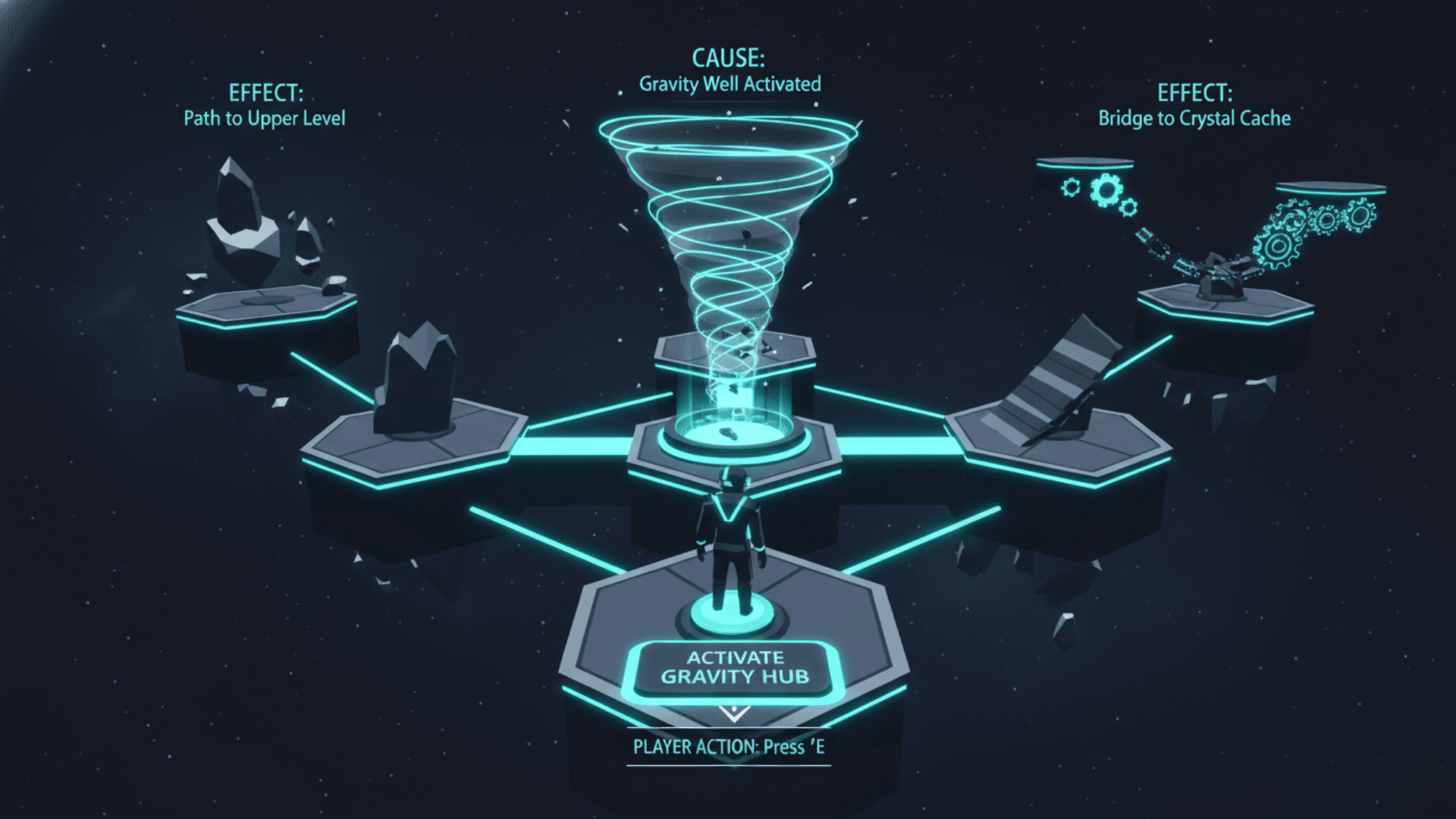
Actionable dashboards prioritize progression, change, and dependency. They highlight where movement begins and where it breaks. Steam metrics become more useful when arranged to highlight cause-and-effect patterns rather than static summaries. Clarity, not density, is what enables teams to respond with confidence.
FAQ: Weekly Reporting Template Included
- How many metrics should a team track weekly?
Fewer than most dashboards suggest. A small set of consistently interpreted metrics is more effective than broad coverage without clarity.
- Should KPIs change after launch?
They often do. Early focus tends to be on discovery and intent, while post-launch analysis shifts toward engagement consistency and return behavior.
- Can KPIs replace qualitative feedback?
No. Metrics highlight where to look. They do not explain motivation on their own.
- Are CCU and retention better KPIs than total sales?
They answer different questions. Sales reflect outcome. CCU and retention reveal behavior while decisions are still forming.
From Tracking to Understanding
Steam metrics become valuable when they are treated as behavioral signals rather than performance trophies. Teams that focus on interpretation tend to adapt earlier and with less disruption.
Create a Datahumble account to explore how KPI relationships evolve over time and how player behavior signals translate into clearer, more confident decisions.